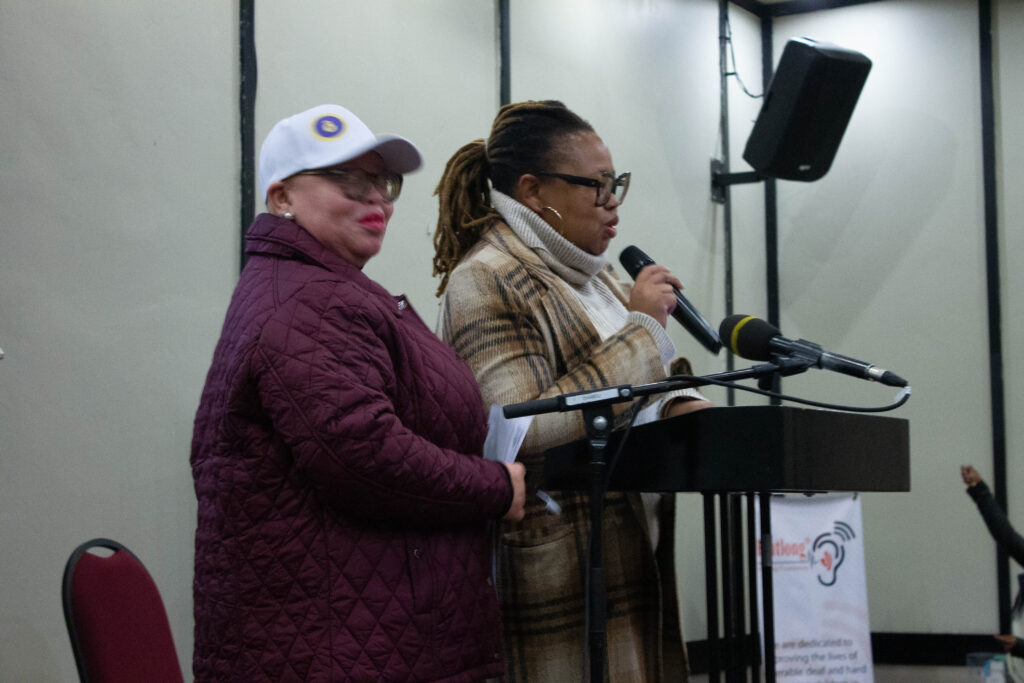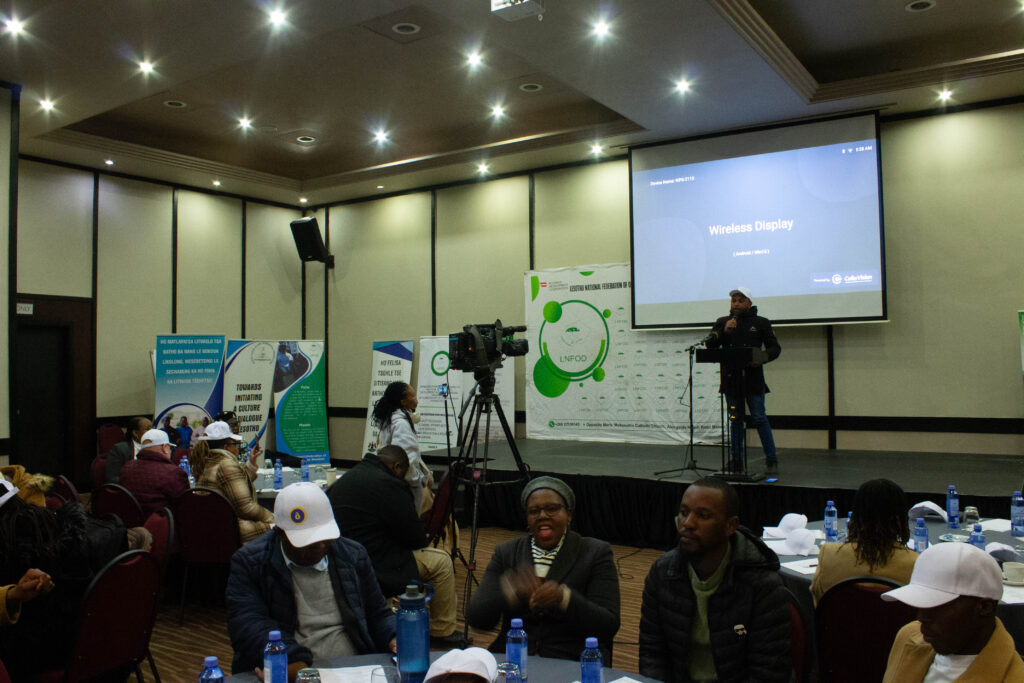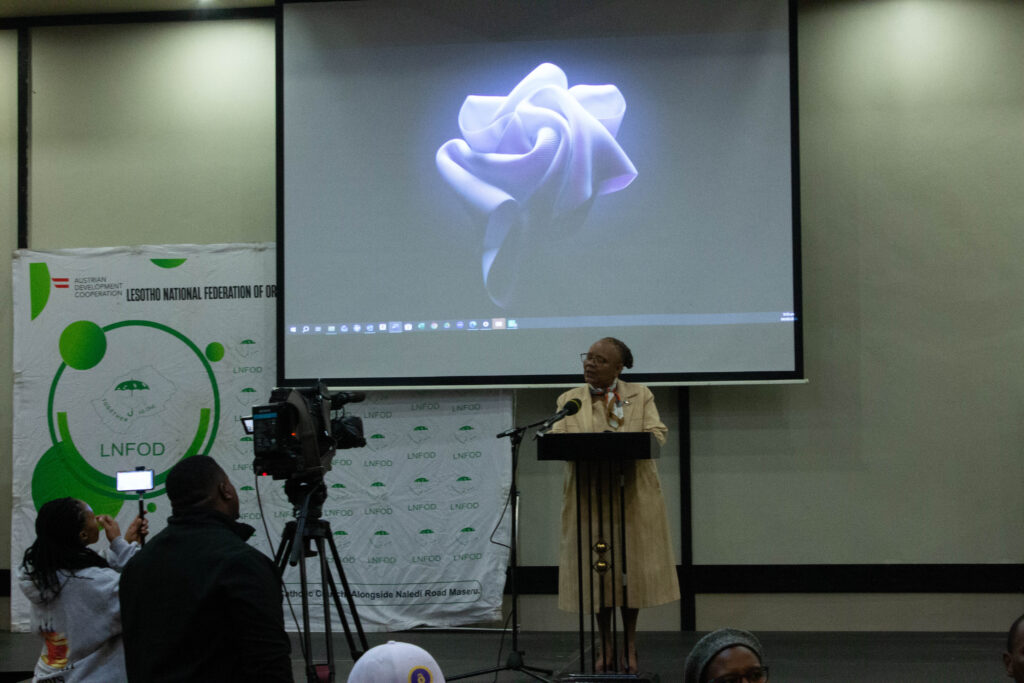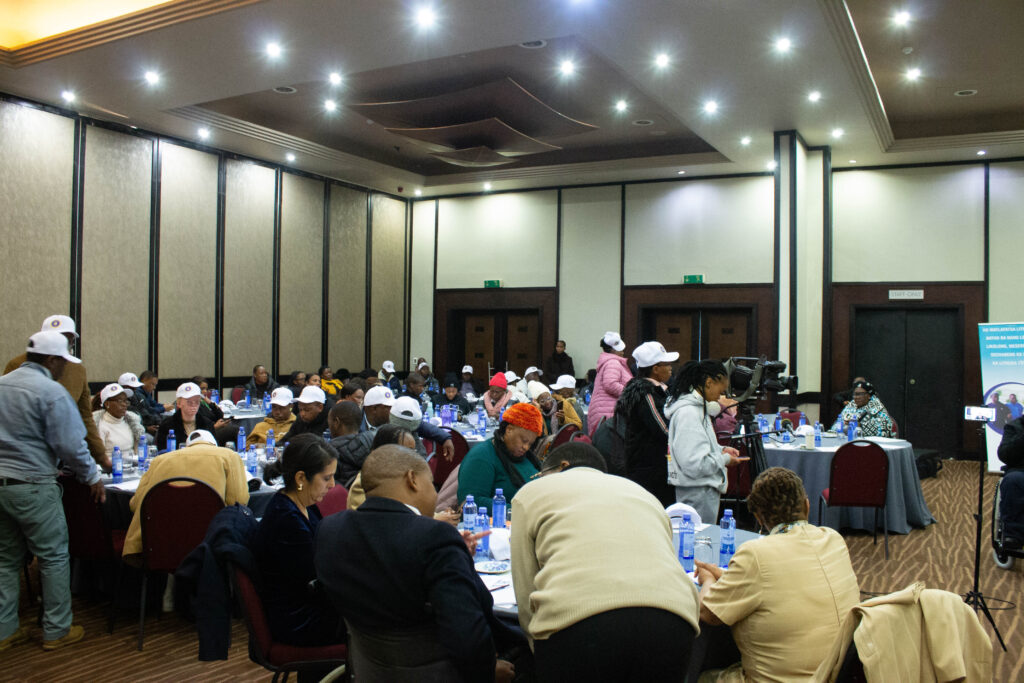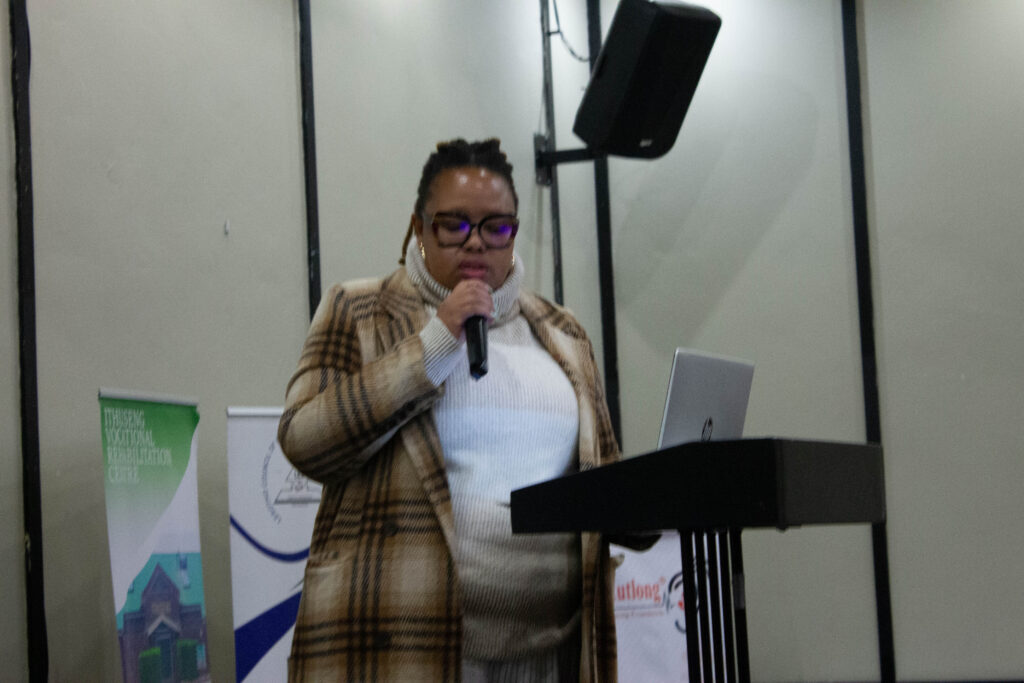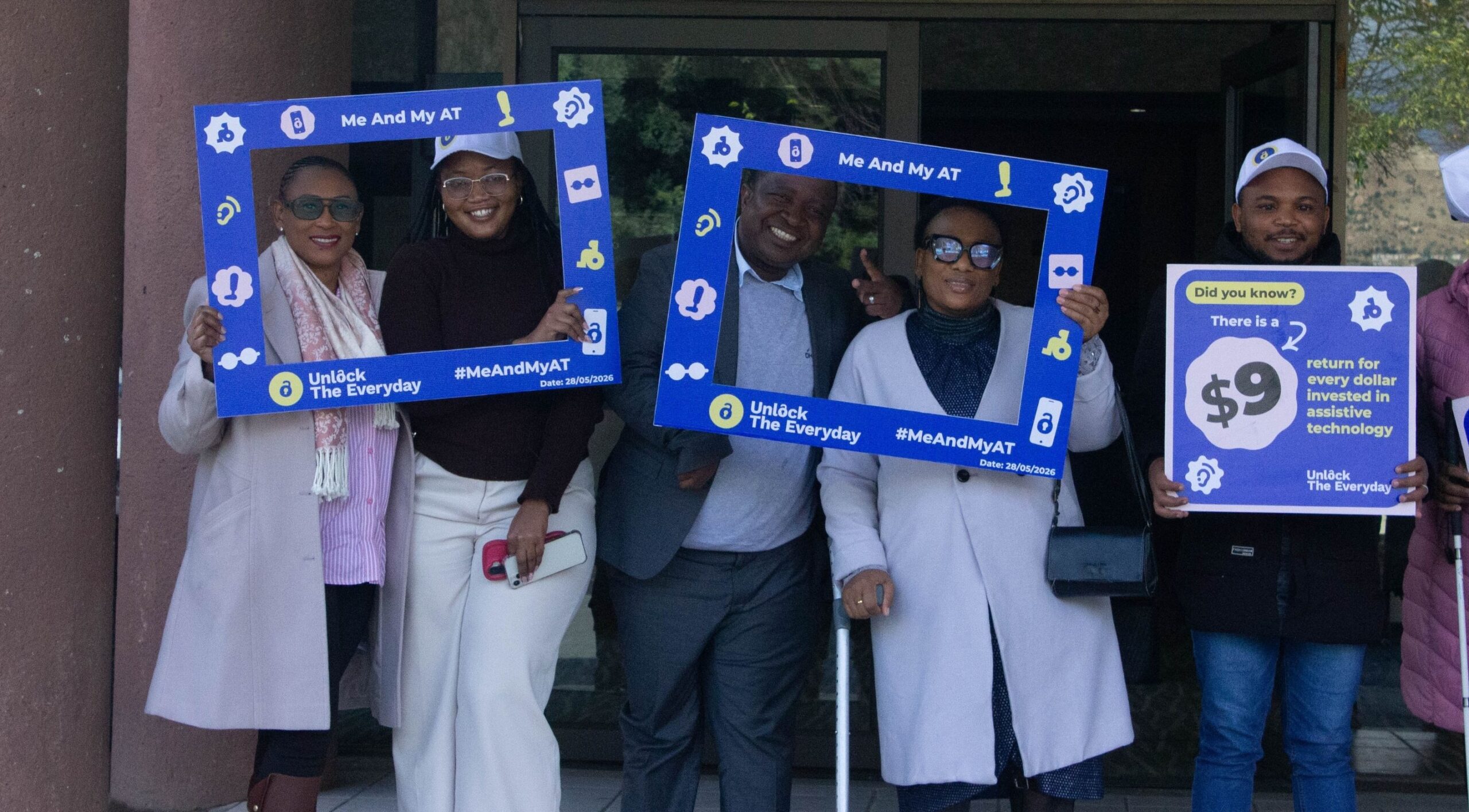
Maseru, Lesotho — On 4 June 2026, the Lesotho National Federation of Organisations of the Disabled (LNFOD) marked World Assistive Technology Day with a national dialogue in Maseru. LNFOD worked with the Ministry of Gender, Youth and Social Development (MGYSD), the Lesotho Disability Advisory Council, the Lesotho Council of Non-Governmental Organisations (LCN) and Vodacom Foundation Lesotho to host the event.
The dialogue carried the theme “Strengthening Local Innovation and Technical Capacity for Sustainable Access to Assistive Technology.” Government officials, development partners, vocational training colleges, disability groups, civil society and private companies all took part. Together, they looked for lasting ways to improve access to assistive technology in Lesotho.
Real progress, real gaps
The meeting gave participants a chance to look back at what Lesotho has achieved so far. Many agreed the country has made strong progress through new policies, local innovation projects and the supply of assistive devices.
Mrs Mathabo Pama, Director of Disability Services at MGYSD, gave the main presentation on disability inclusion and access to assistive technology. She explained how Lesotho has moved away from scattered, one-off projects. The country now follows a more organised, joined-up approach to providing assistive technology.
Speakers pointed to two major achievements. Lesotho has built a National Priority Assistive Products List. It has also written a National Assistive Technology Policy and Strategy. Both aim to make assistive devices easier to find, easier to afford and better supported by trained staff.
Participants also heard about new local projects. The Physiotherapy Outreach Programme (POP) Lesotho has trained staff to build low-cost devices, such as standing frames and classroom desks, using recycled cardboard. LNFOD continues to provide wheelchairs, crutches and other mobility aids to people across the country.
Helping children learn
The dialogue also covered work to support inclusive education. Four schools have already received teaching and learning aids as part of a pilot programme. These schools are St Bernadette Primary School, Seleso Primary School, Abia High School and St Catherine’s High School. The work shows how assistive technology helps children take part fully in school, build independence and feel included.
Despite this progress, stakeholders were honest about what still needs to change. Mrs Pama said Lesotho has written strong policies, but has not yet put all of them into full action. The National Priority Assistive Products List, the National Disability and Assistive Technology Policy, and the National Disability Strategy all need further work before they can deliver their full benefit.
Participants also pointed to ongoing problems. Funding remains too low. Local skills are still limited. Lesotho still relies heavily on imported assistive devices, which pushes up costs and makes access harder for many people.
Building skills at home
A large part of the dialogue focused on the role of technical and vocational education and training (TVET) colleges. Participants discussed adding orthopaedics and assistive technology repair and manufacturing to vocational courses.
Stakeholders agreed that building this skill at home would cut reliance on imports. It would also make devices more available and more affordable. New jobs could follow, alongside a stronger system for recycling and reusing materials in device production.
Leaders make their commitments
Several leaders made firm commitments during the dialogue. The Minister of Gender, Youth and Social Development, Hon. Pitso Lesaoana, confirmed the government’s support for disability inclusion. He said the government will back local production of assistive technology through existing vocational training programmes. He added that local manufacturing would also create jobs and support independence and dignity for persons with disabilities.
Ms Taija Kontinen-Sharp, the United Nations Resident Coordinator in Lesotho, confirmed the UN’s continued support for projects that build local skills and improve access to assistive technology. She linked this work to several UN Sustainable Development Goals, and stressed that no one should be left behind.
Vodacom Foundation also restated its commitment to the cause. Ms Keneuoe Semphi, the Foundation’s Access and Inclusion Coordinator, described its continued investment in physiotherapy outreach, support for children with cerebral palsy, and disability assessments. She said the Foundation sets aside funding each year for projects that improve access for persons with disabilities. She added that lasting change needs government, civil society, development partners, communities and businesses working together.
Representatives from TVET colleges welcomed the idea of setting up assistive technology workshops on their campuses. They said they are ready to update their courses to support local manufacturing and new ideas. LNFOD and other disability advocates called for faster action on existing policies and more investment in local skills.
What happens next
The dialogue ended with a shared plan. Stakeholders agreed to build a roadmap for adding assistive technology manufacturing to TVET courses. They also agreed to strengthen teamwork across sectors, raise funding for the work ahead, and turn vocational colleges into hubs for assistive technology innovation.
The event marked a real step forward in Lesotho’s work to unlock the everyday. By building local skills and local solutions, Lesotho is working towards better access to assistive technology, and fuller participation in everyday life for persons with disabilities.
Follow the campaign on social media using #UnlockTheEveryday, #WorldATDay and #MeAndMyAT.