SAFOD #UnlockTheEveryday
Assistive Technology
Campaign!

SAFOD partners with 10+ organisations of persons with disabilities, civil society organisations, academia, and other actors across selected Southern African countries to raise awareness about assistive technology. Funded by ATScale.

Copied to clipboard.
Second hero image for assistive technology day
Fifth hero image for assistive technology day
Regional Inclusive AT Webinar Countdown
WEBINAR STARTS IN
--
DAYS
:
--
HOURS
:
--
MINS
:
--
SECS
· 28 JULY 2026

SAFOD Assistive Technology Awareness Campaign

Watch the video to learn about our campaign

About this campaign

SAFOD partners with ten organisations of persons with disabilities (OPDs) in eight countries in Southern Africa for a 3-month campaign to raise awareness about assistive technology. This campaign is funded by UNOPS and AT Scale, the Global Partnership for Assistive Technology.

Campaign aims

  • Create visibility and build momentum towards World Assistive Technology Day.
  • Increase meaningful participation and engagement of persons with disabilities to lobby and advocate for high quality and affordable assistive technology in their countries.

Six Key Messages

Key Messages - Assistive Technology
01

Transforming Lives

Assistive technology enables people to participate at school, work, sports, and in life by unlocking opportunities that are not possible without it.

02

Urgent Global Attention

Improving access to assistive products such as eyeglasses, wheelchairs, prosthetics, and hearing aids urgently needs global attention. It has been neglected for too long.

03

Millions Excluded

Millions of people are excluded from work, school, and social life because they lack the assistive technology they need.

04

Independence and Dignity

Access to assistive technology allows people to participate in everyday activities and restores independence and dignity.

06

Accelerating SDGs

Improving access to AT accelerates progress towards all UN Sustainable Development Goals, particularly those on poverty, health, education, equality and decent work.

07

Funding Gap

There is a huge global funding gap. Ensuring lifetime access to appropriate AT for all people in LMICs would cost approximately USD 700 billion over 55 years.

CAMPAIGN ACTIVITIES & EVENTS​

AT Campaign - Pre-Commemoration Activities

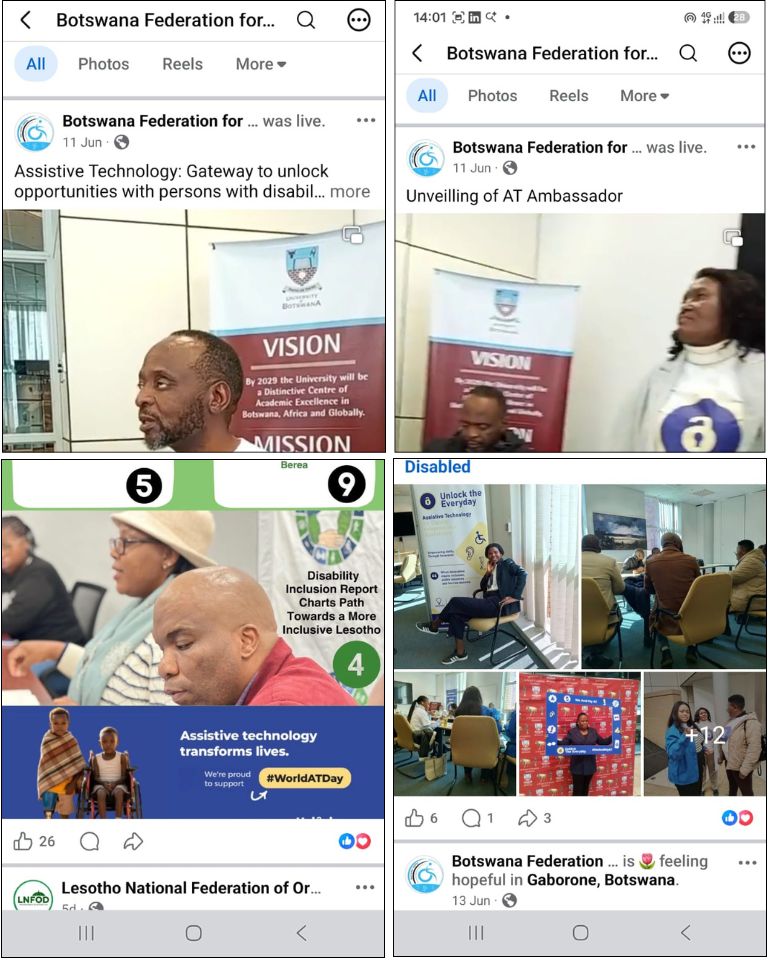
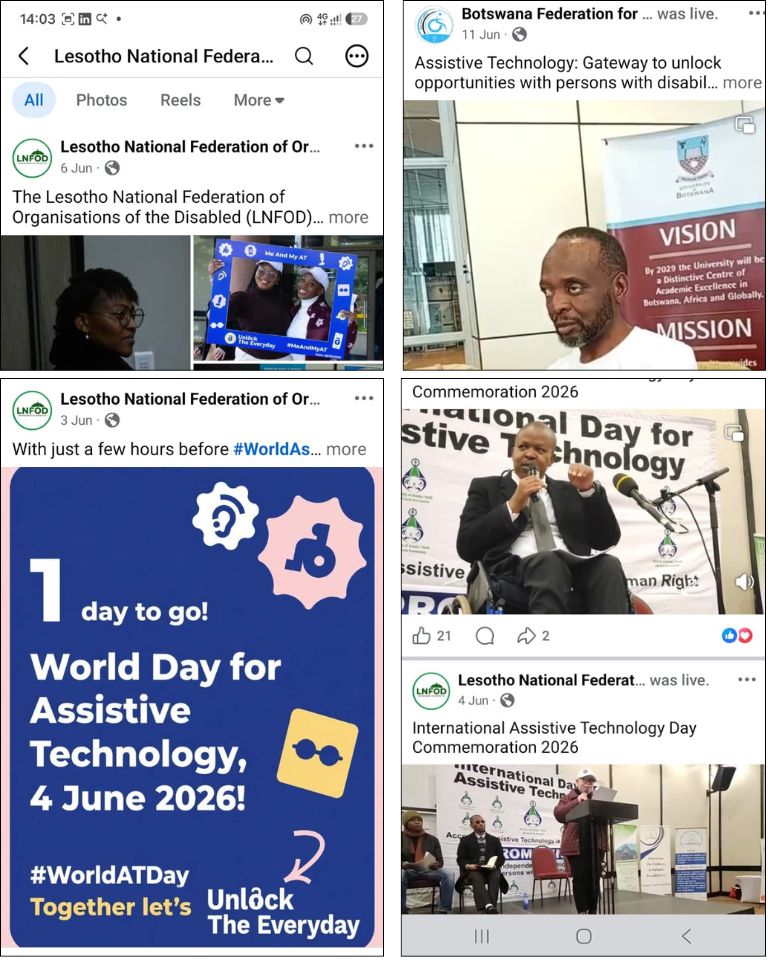
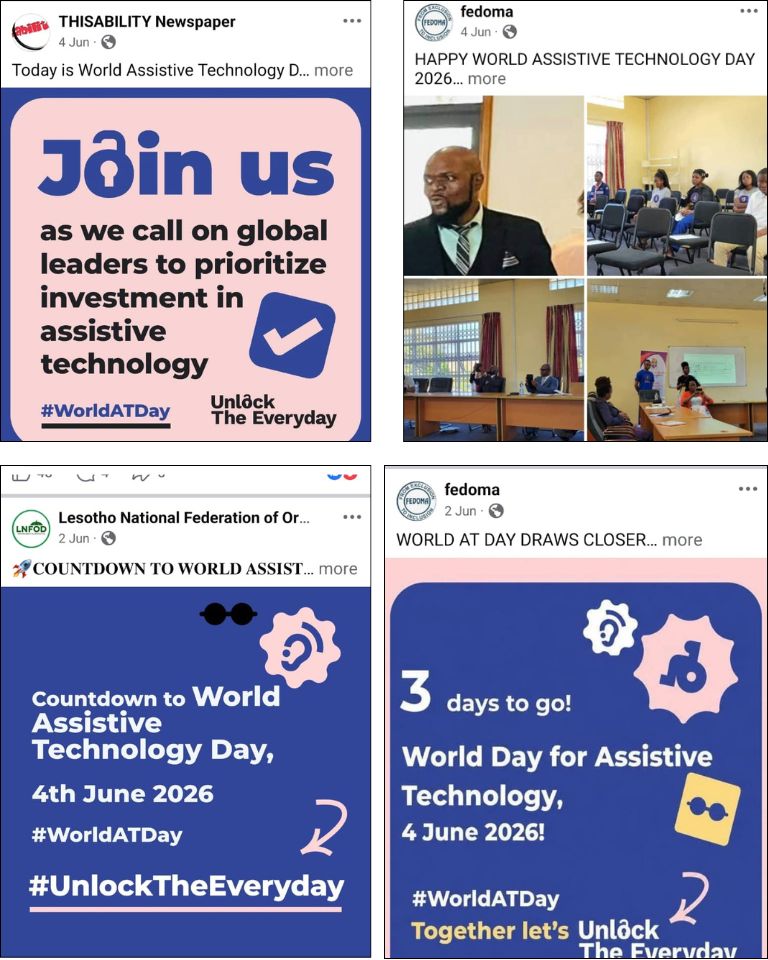
2025 Pre-Commemoration Activities - Social Media Campaigns

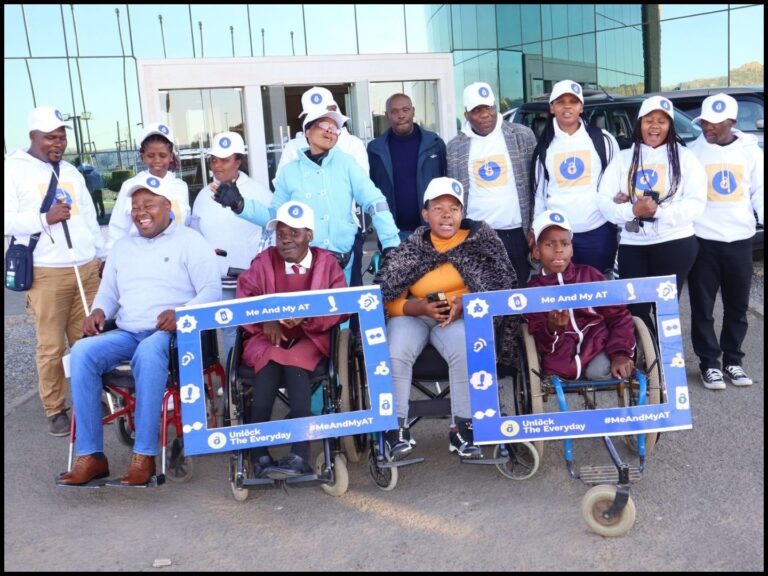
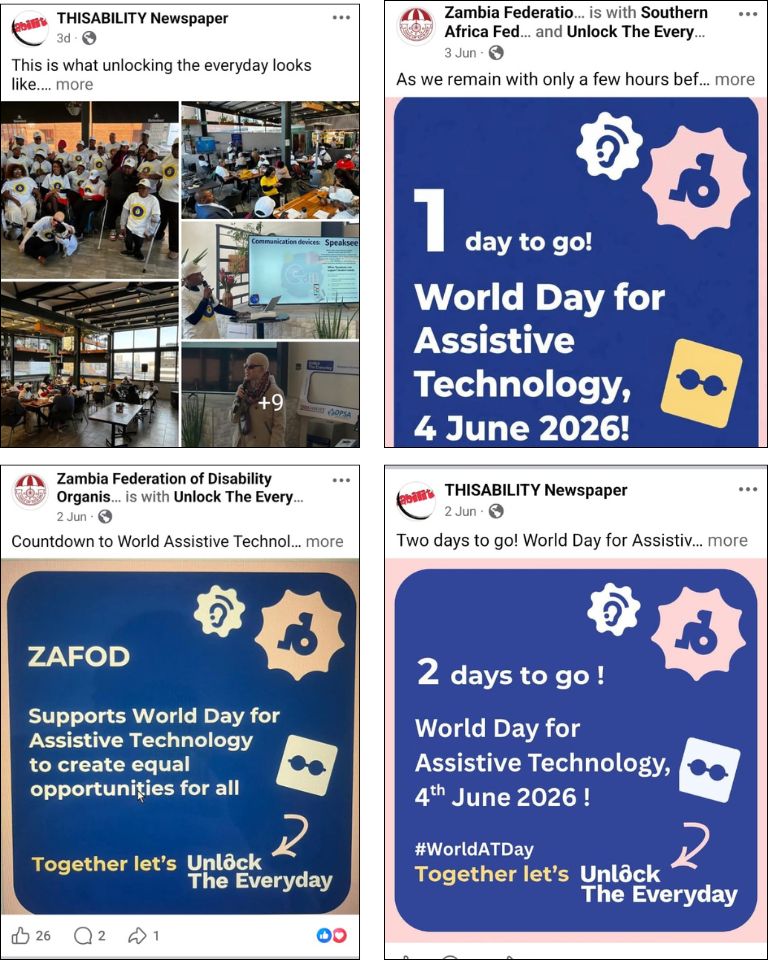
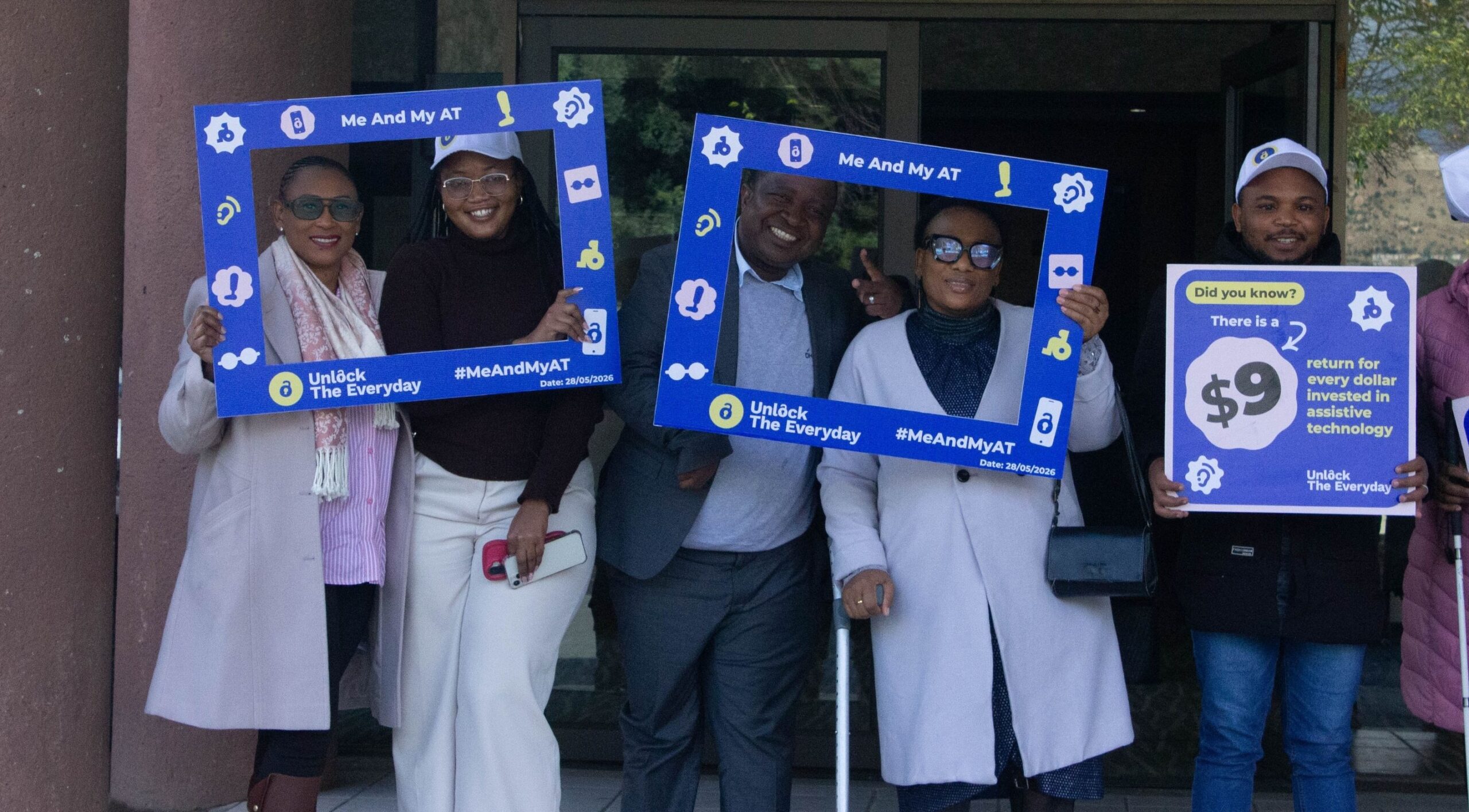
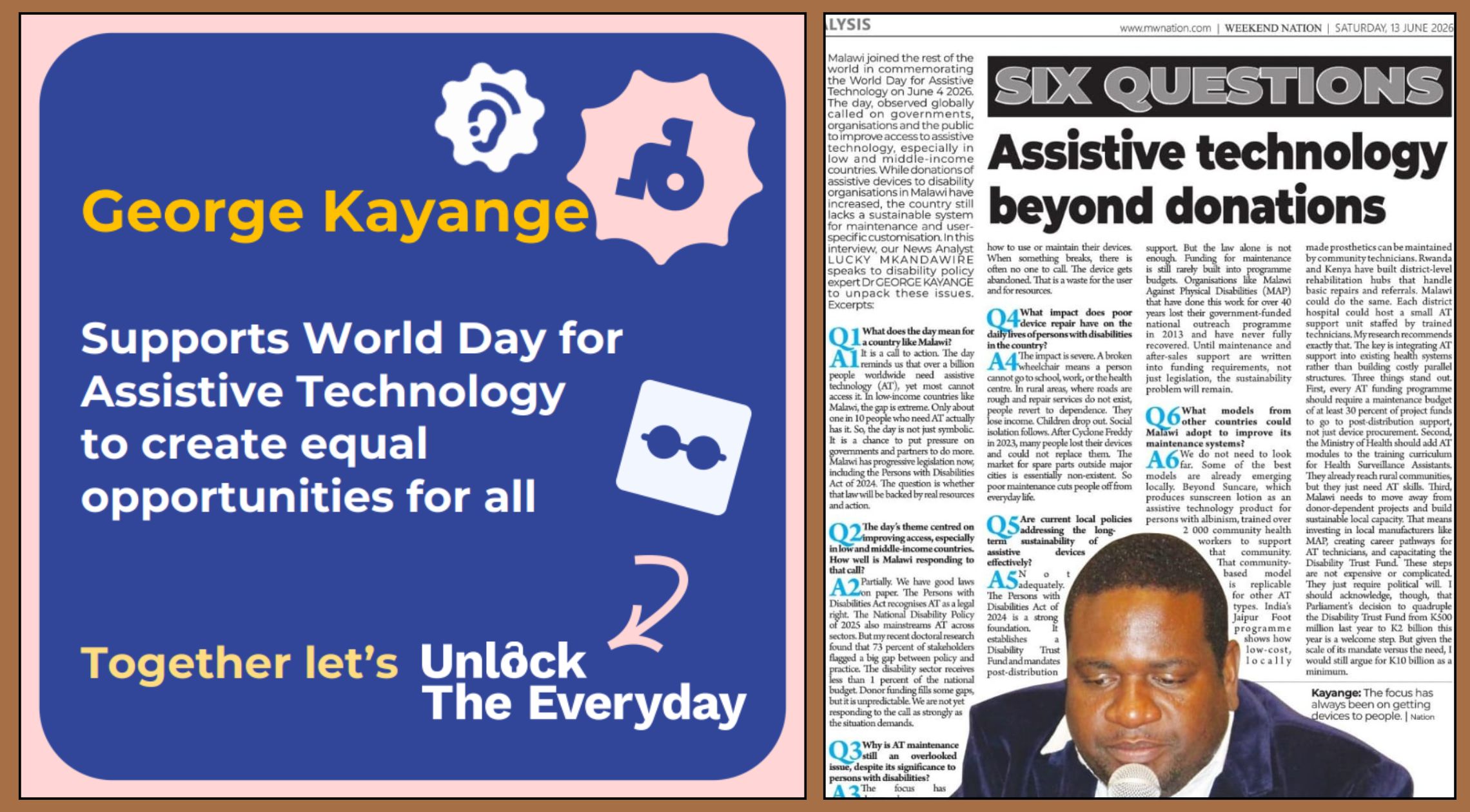
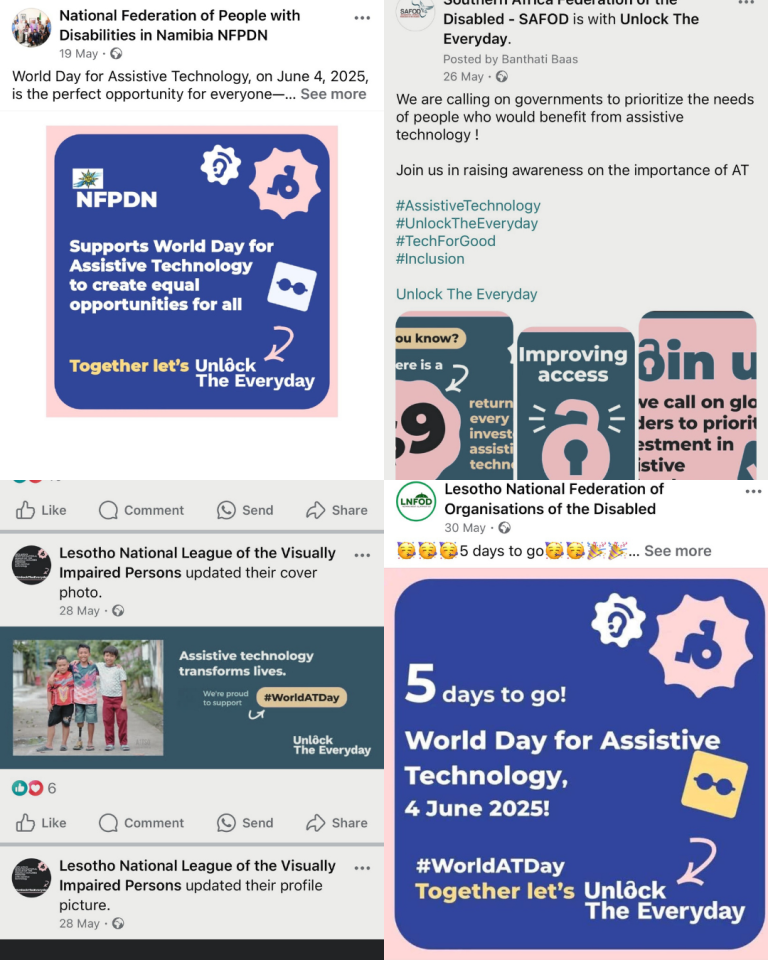
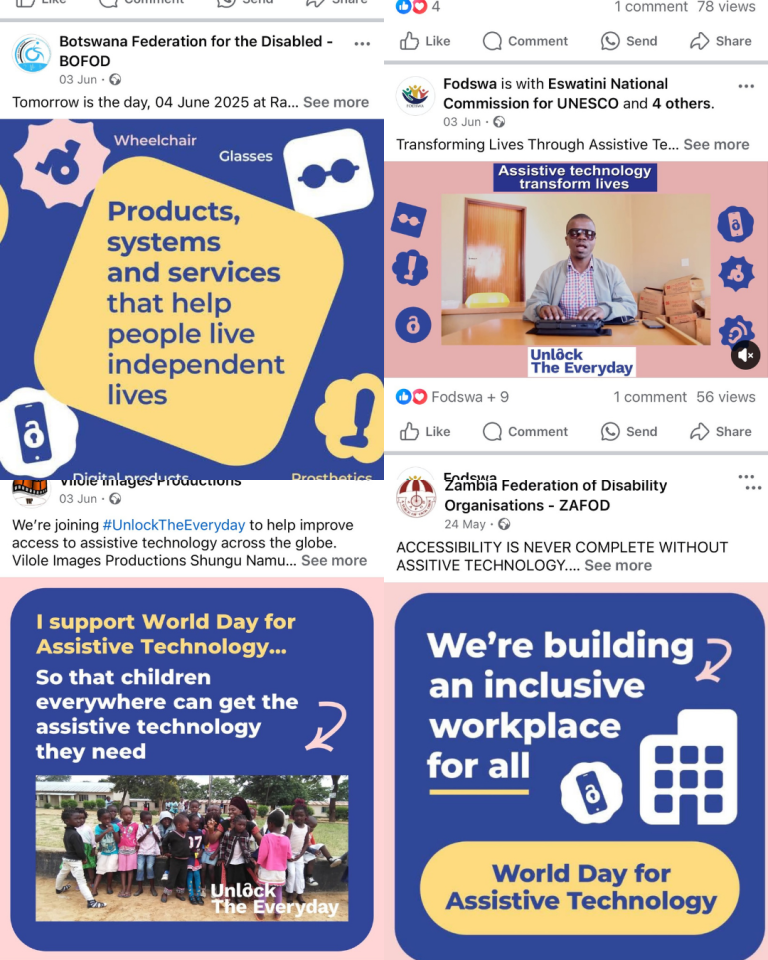
In 2025, the campaign was implemented nationally through activities at a pre-commemoration stage, which built momentum towards the commemoration of the World Day for Assistive Technology. These activities included social media campaigns.

Building Momentum
AT Webinar Collage - Social Media Campaign Activities

Engaging Communities Through Digital Platforms

AT Webinar Collage 2 - Campaign Momentum Building

Creating Awareness and Impact

World Assistive Technology Day Events

World Assistive Technology Day - Events for 2025

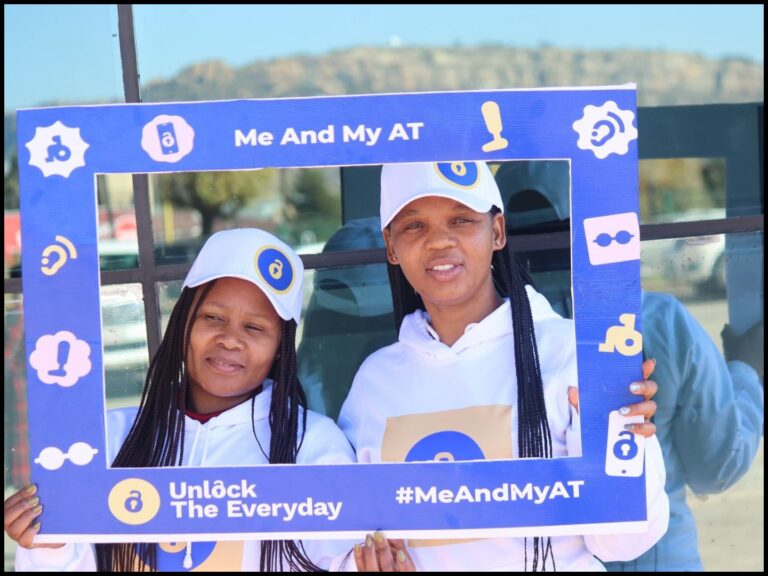
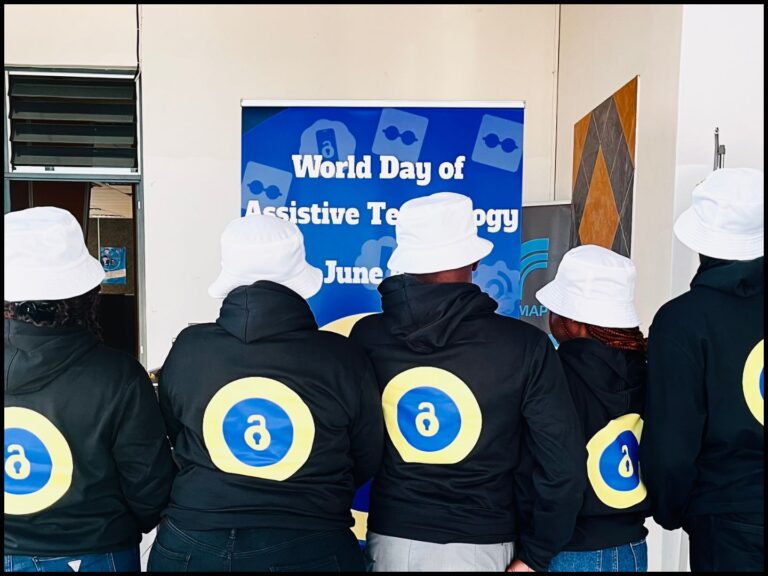
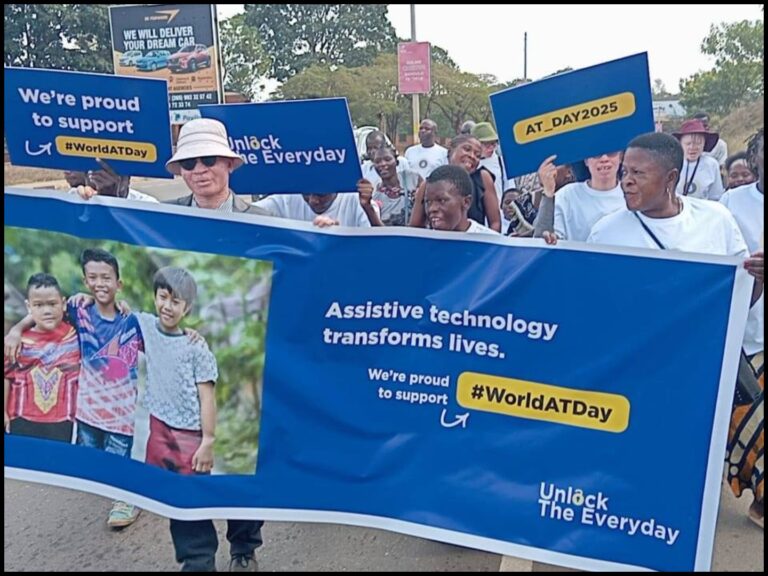
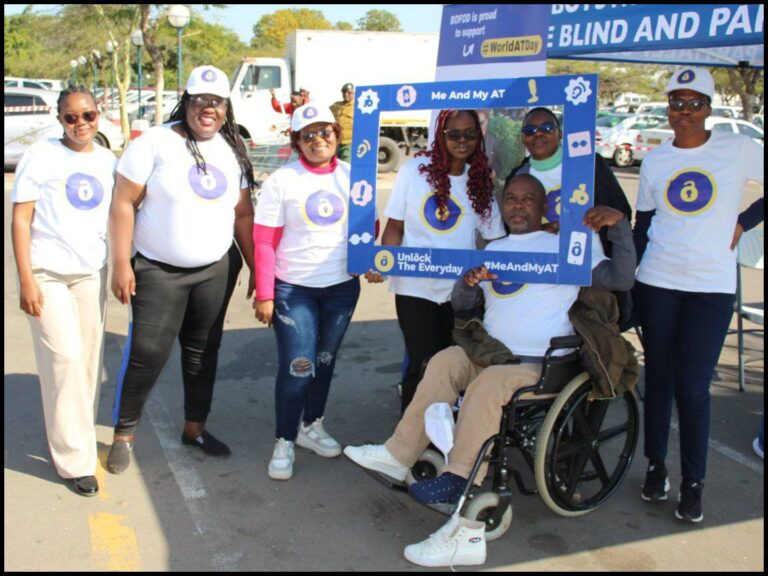
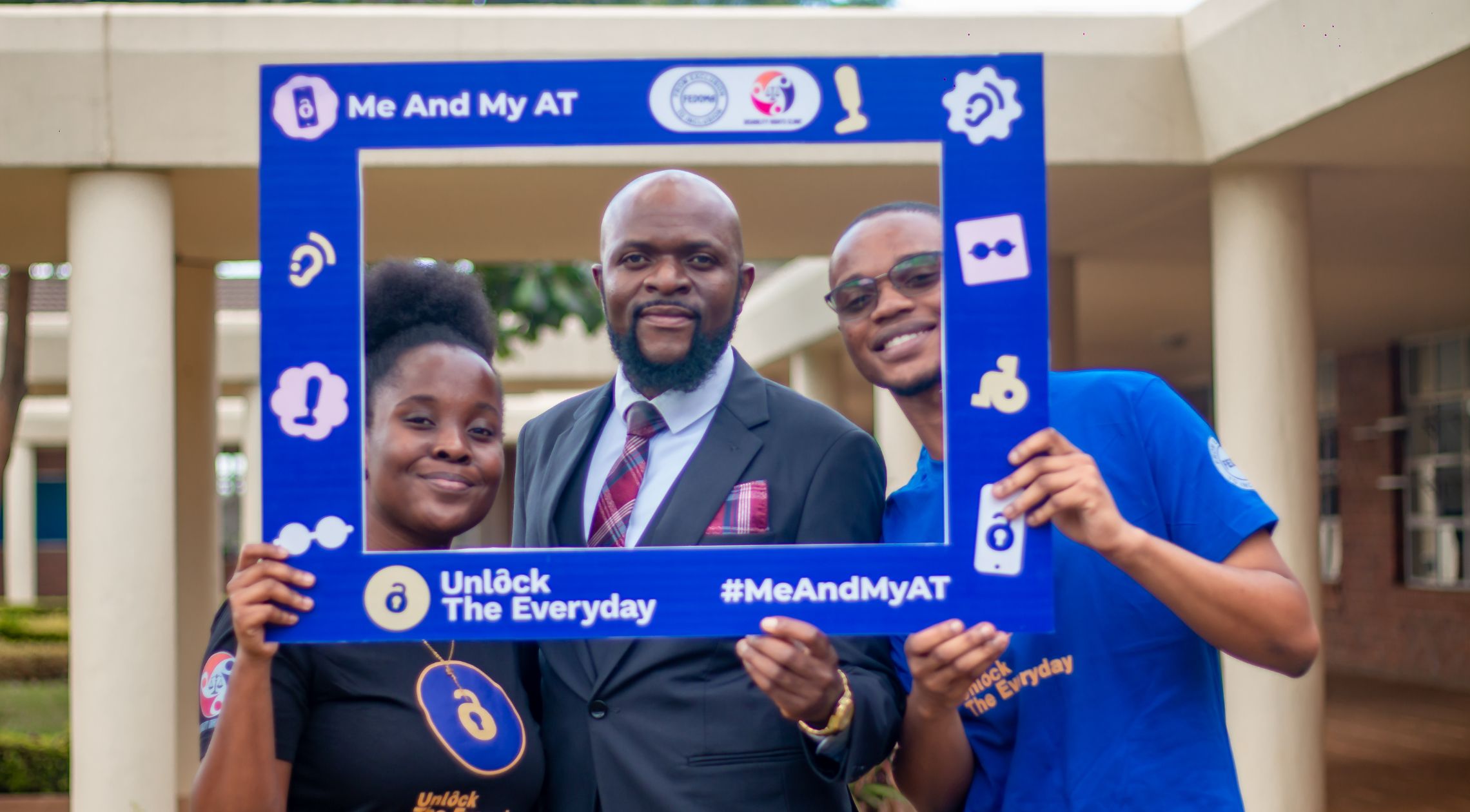
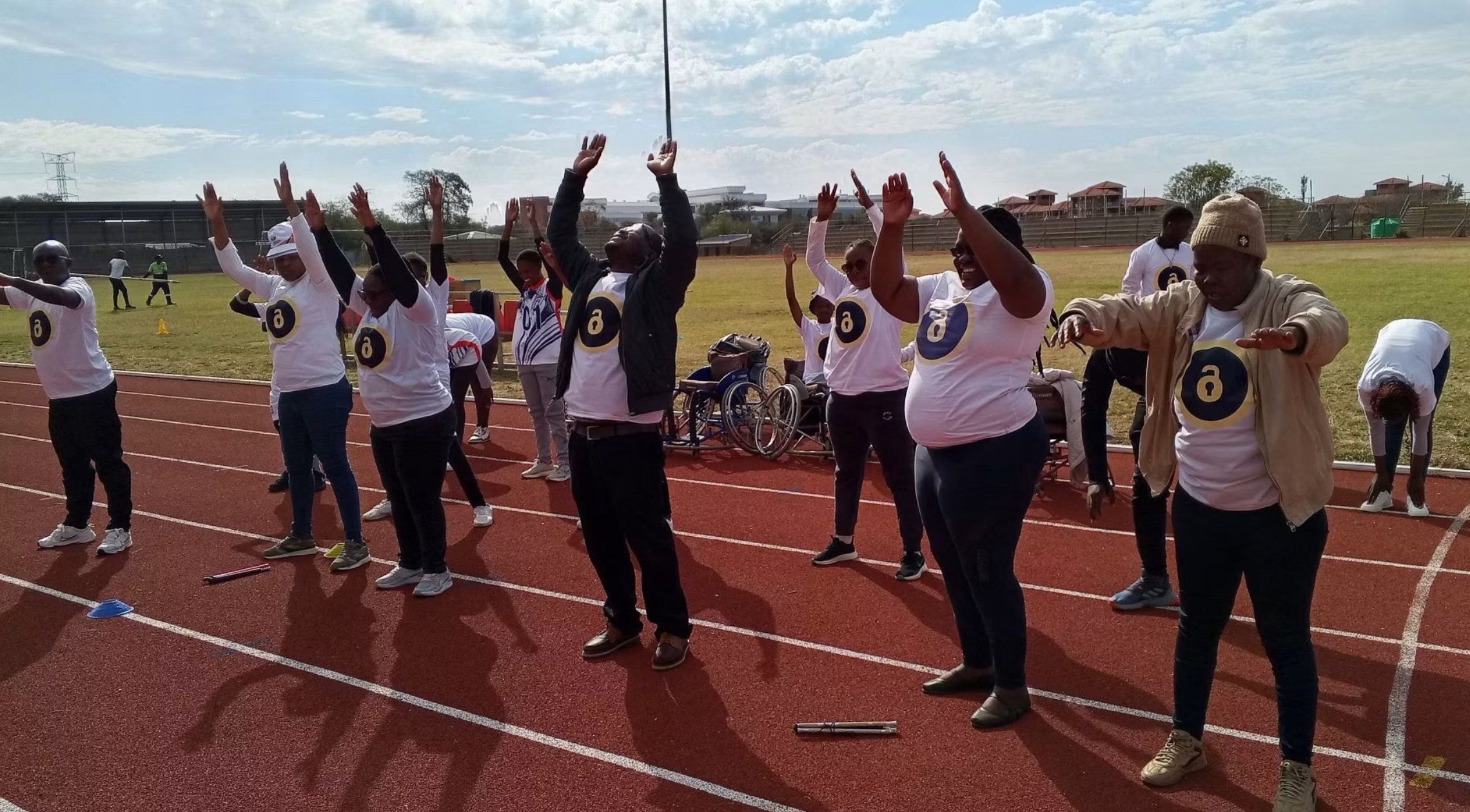
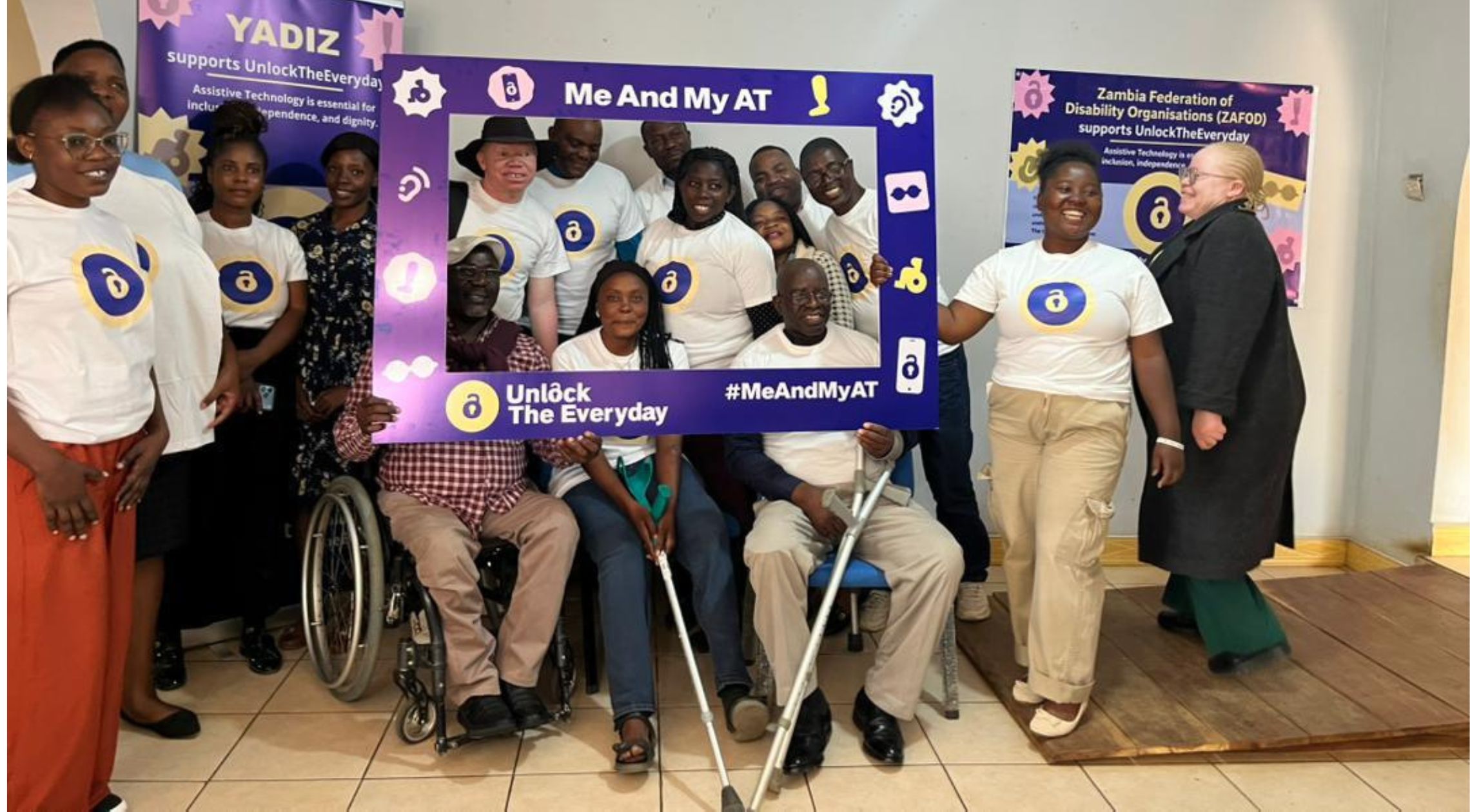
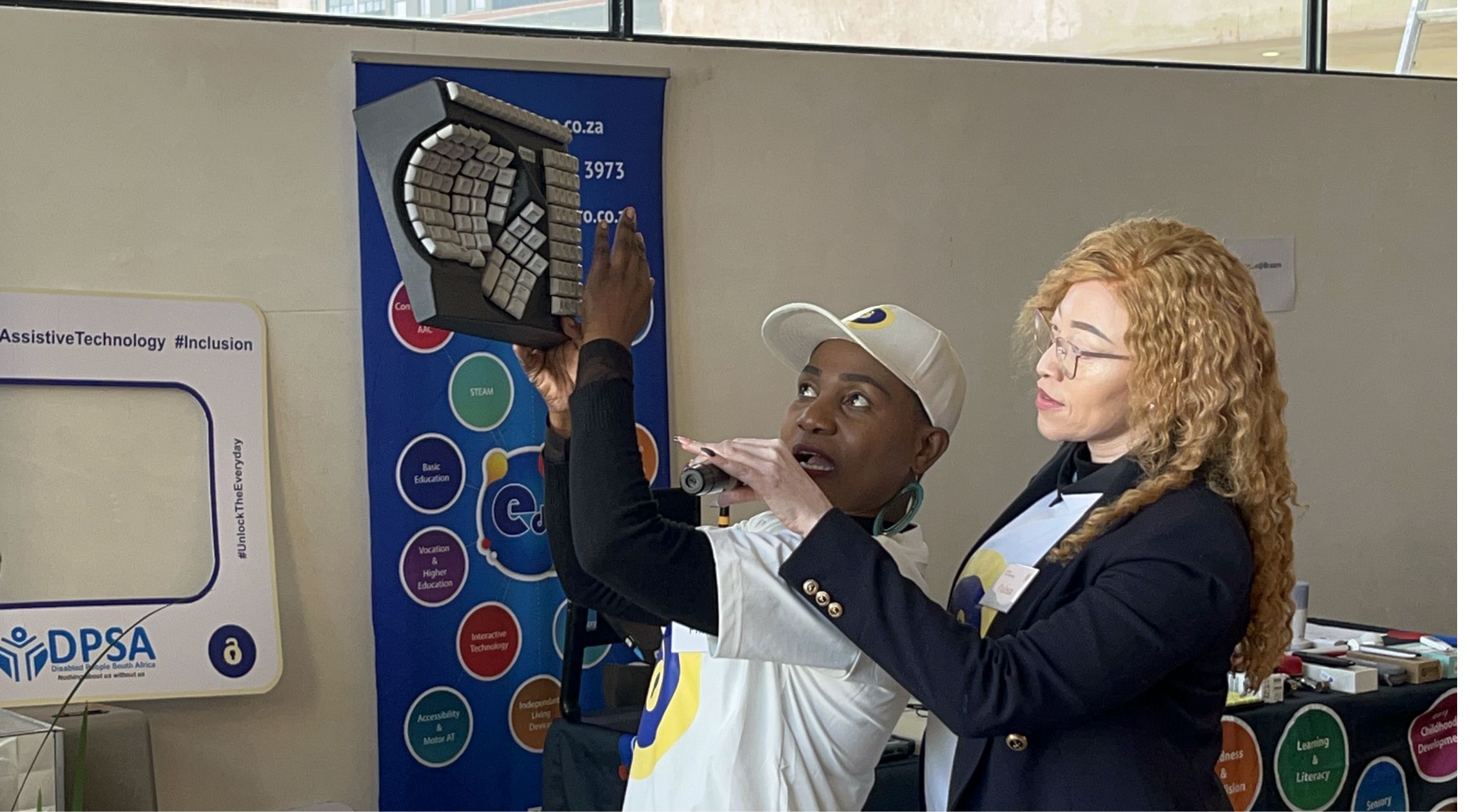
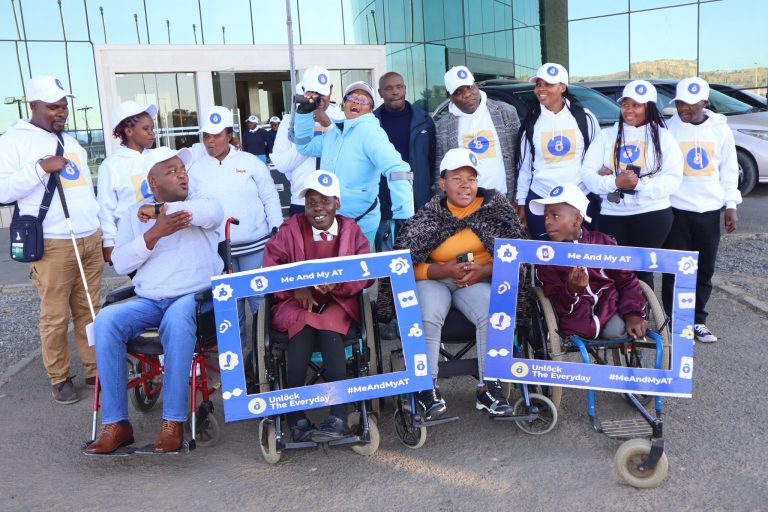
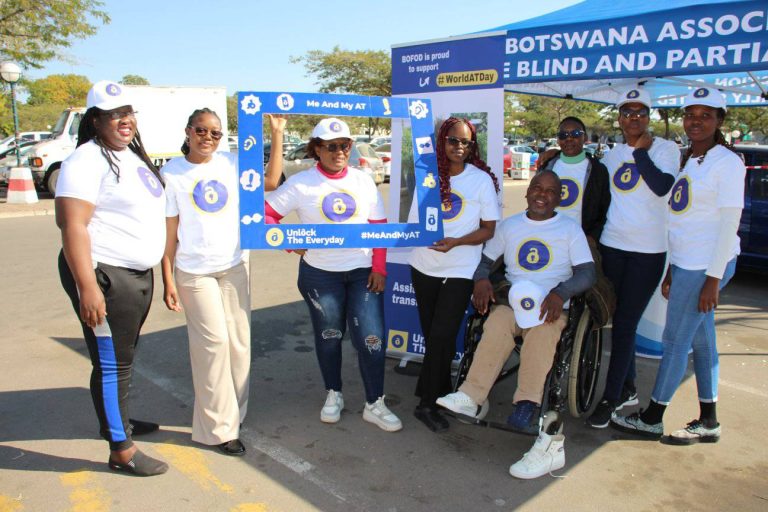
In 2025, some activities were implemented on and post commemoration of the World AT Day by all partners in the eight (8) countries, including SAFOD.

LNLVIP Assistive Technology Pop-up
View Event Details

LNLVIP

Assistive Technology Pop-up

VILOLE Documentary Launch
View Event Details

VILOLE

Documentary Launch

BOFOD Assistive Technology Pop-Up
View Event Details

BOFOD

Assistive Technology Pop-Up

UPCOMING SAFOD WEBINAR

28 July 2026

Join us at this year’s webinar, which will serve as an inclusive continental platform with a strong Southern African perspective.

The 2026 webinar will bring together Organisations of Persons with Disabilities (OPDs), Assistive Technology users, governments, academia, manufacturers, innovators, development partners, humanitarian actors, and policymakers to strengthen collaboration, share promising practices, and elevate advocacy for equitable access to Assistive Technology..

Visit atwebinar.org to register and get the latest information.

2025 WEBINAR:

Bridging the Innovation, Investment, and Inclusion Gap to Increase Access to Assistive Technology for Persons with Disabilities.

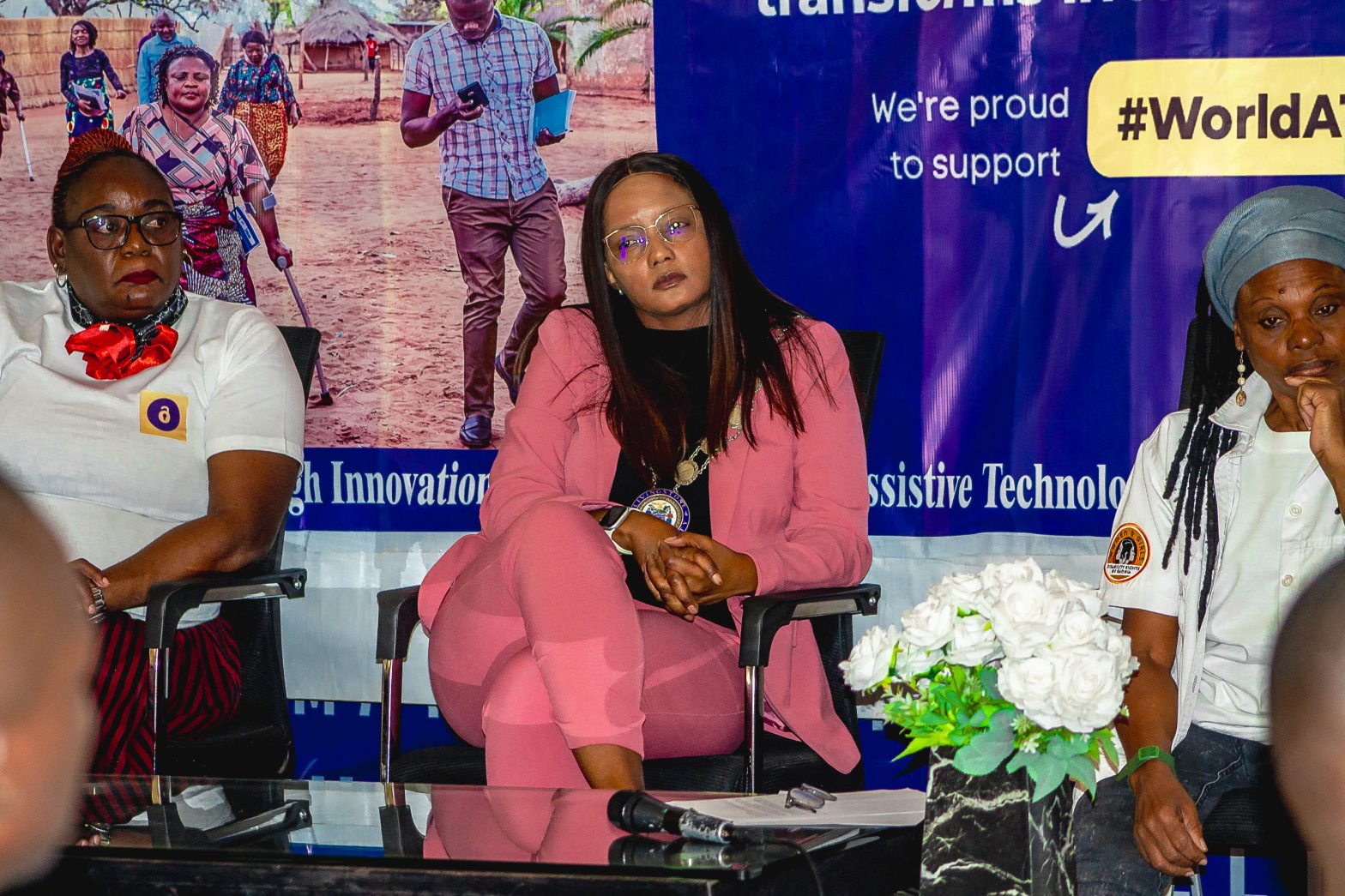
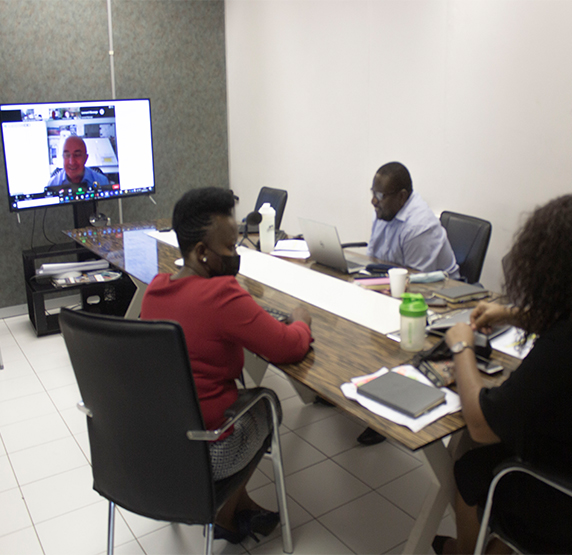
SAFOD organised a webinar on ‘Bridging Innovation, Investment and Inclusion Gap to Increase Access to Assistive Technology for Persons with Disabilities’.

The webinar brought together key people to tackle barriers in assistive technology access. It created a space for sharing ideas and building partnerships.

What the webinar covered:

  • Scalable innovations in assistive technology.
  • Funding models and ways to buy AT products.
  • Policy and regulatory gaps that need fixing.
  • Cross-sector work to speed up access.

Who attended:

  • Government officials from disability units and ministries.
  • Organisations of persons with disabilities from across the region.
  • AT manufacturers and suppliers.
  • Development partners, including UNOPS.
  • Academics from Loughborough University and ATScale.

Visit atwebinar.org for more information.

2021 WEBINAR:

Assistive Technology Business Innovations

SAFOD and Loughborough University organised a webinar on Assistive Technology Business Innovations on 28-29 September 2021.

The webinar explored how business innovations could help reach 85-95% of people with disabilities who need assistive technology in Southern Africa. It built momentum towards the Southern Africa Assistive Technology Expo (SAATE) in November 2022.

Webinar objectives:

  • Raise awareness of resources for business innovations.
  • Share best practices for sustainable and inclusive businesses.
  • Identify steps to provide resources and training for inclusive business.

Who presented:

The webinar drew speakers from universities, research groups, disability organisations and AT entrepreneurs.

Key outcomes:

The webinar showed innovative solutions to increase AT access. It brought together policy makers, researchers and entrepreneurs to share ideas and build partnerships.

Visit atwebinar.org for more information.

Youth Ambassadors Driving Change

hastag image

SAFOD works with 20 young leaders across five Southern African countries. These youth ambassadors use social media to raise awareness about assistive technology. They speak up for children and young people with disabilities in Botswana, Namibia, Mozambique, Zambia, and Malawi.

The #Inclusive Young Voices programme gives young people a platform. They share their stories and push for policy changes. They bring assistive technology issues to the people who make decisions.

ASSISTIVE TECHNOLOGY GUIDE

SAFOD created a practical AT guide through the AT-Info-Map project with help from the University of Washington. This guide shows you what’s out there.

It covers both simple and advanced AT products. Each type is explained clearly. You’ll see how these tools help people with disabilities live better lives.

Use this guide in your #UnlockTheEveryday work.

It’s perfect for talking to government officials and the public. Show them what assistive technology really means. The guide makes your advocacy stronger.

Our Partners Across Southern Africa

We work with ten organisations of persons with disabilities across eight countries:

Malawi flag

Malawi

FEDOMA (Federation of Disability Organisations in Malawi).

Zimbabwe Flag

Zimbabwe

FODPZ (Federation of Organisations of Disabled People in Zimbabwe).

Namibia Flag

Namibia

NFPDN (National Federation of People with Disabilities in Namibia).

Eswatini Flag

Eswatini

FODSWA (Federation of Organisations of Disabled People in Eswatini).

South Africa

DPSA (Disabled People South Africa).

Botswana Flag

Botswana

BOFOD (Botswana Federation of the Disabled).

Zambia

ZAFOD (Zambia Federation of Disability Organisations) and VILOLE Images Production.

Lesotho flag

Lesotho

  1. LNFOD (Lesotho National Federation of Organisations of Disabled).
  2. LNLVIP (Lesotho National League of Visually Impaired Persons).

WHAT SAFOD PARTNERS SAY

"
🇲🇼
"This campaign has opened our eyes to the scale of the assistive technology gap."
The Unlock the Everyday campaign has been eye-opening for our team. We knew access was limited, but seeing the statistics shocked us. Only 10% of people in low-income countries can get the assistive technology they need. That means 90% are left behind. The campaign materials made it easy to spread this message. Our community members are now asking questions. They want to know why this gap exists. The social media toolkit helped us reach thousands of people. We shared stories from wheelchair users and hearing aid users. The response has been powerful. People are starting to understand that assistive technology changes lives.
Read more ↓
Simon Munde
Executive Director, FEDOMA (Malawi)
"
🇳🇦
"The campaign gave us a voice to demand change."
Before this campaign, we struggled to get people's attention on assistive technology. Now we have the tools and the platform. The hashtag #UnlockTheEveryday connects us with partners across the region. We posted photos of community members using wheelchairs and glasses. The reaction was immediate. People commented and shared our posts. Government officials started asking questions. The key messages were clear and simple. Everyone could understand them. We focused on the fact that 2.5 billion people need assistive technology. That number made people stop and think. The campaign has given us momentum we didn't have before.
Read more ↓
Matheus Hashoongo
Chairperson, NFPDN (Namibia)
"
🇿🇼
"As a journalist, I've covered disability issues for years. This campaign is different."
Most awareness campaigns are hard to explain to readers. This one is simple. Assistive technology helps people live normal lives. Without it, millions are excluded from work and school. The toolkit provided facts and photos we could use immediately. We published articles about local wheelchair users and their struggles. The response from readers was strong. Many didn't know that hearing aids are out of reach for most people. The campaign showed us that assistive technology isn't a luxury. It's a basic human right. Our newspaper reached communities that never heard this message before. The impact has been remarkable.
Read more ↓
Simon Manda
Managing Editor, ThisAbility Newspaper
"
🇿🇼
"The campaign united our members around a common cause."
We work with organisations across Zimbabwe. Getting them all focused on one issue is challenging. The Unlock the Everyday campaign made it easy. The social media assets were ready to use. The key messages were clear. Each organisation could adapt the content to their audience. We shared statistics about the $700 billion funding gap. People were shocked. They had no idea the problem was this big. The campaign helped us show that assistive technology affects everyone. Most people will need it at some point in their lives. That message resonated with people outside the disability community. We're building new partnerships because of this campaign.
Read more ↓
Leonard Marange
National Director, FODPZ (Zimbabwe)
"
🇿🇲
"This campaign has changed how we talk about assistive technology."
Before, we focused on individual stories. Now we talk about the bigger picture. The campaign taught us to connect assistive technology to development goals. We explained how it helps reduce poverty and improve education. The toolkit gave us the words to use. We posted about the $9 return for every $1 invested in assistive technology. That caught people's attention. Business leaders and government officials took notice. The photos in the toolkit showed real people living full lives. Children at school. Adults at work. People playing sports. These images were powerful. They showed what's possible when people get the assistive technology they need.
Read more ↓
Justin Bbakali
Federal Director, ZAFOD (Zambia)
"
🇱🇸
"The campaign brought assistive technology into the national conversation."
For years, we fought for attention on this issue. The Unlock the Everyday campaign changed that. The materials were professional and easy to share. We used the social media posts to reach new audiences. People who never thought about assistive technology started engaging. The statistic that only 10% have access hit hard. Our followers shared posts with their networks. Local radio stations interviewed us about the campaign. The key messages about dignity and independence resonated deeply. We're now working with partners who want to help close the gap. The campaign gave us credibility and reach we've never had before.
Read more ↓
Rabasotho Moeletsi
Executive Director, LNFOD (Lesotho)