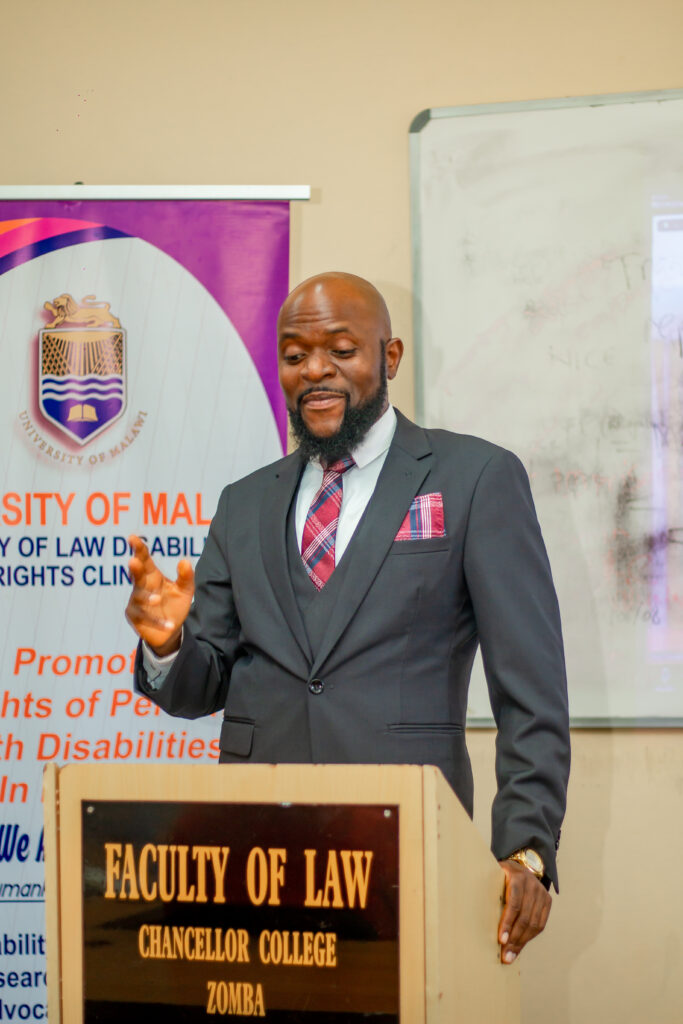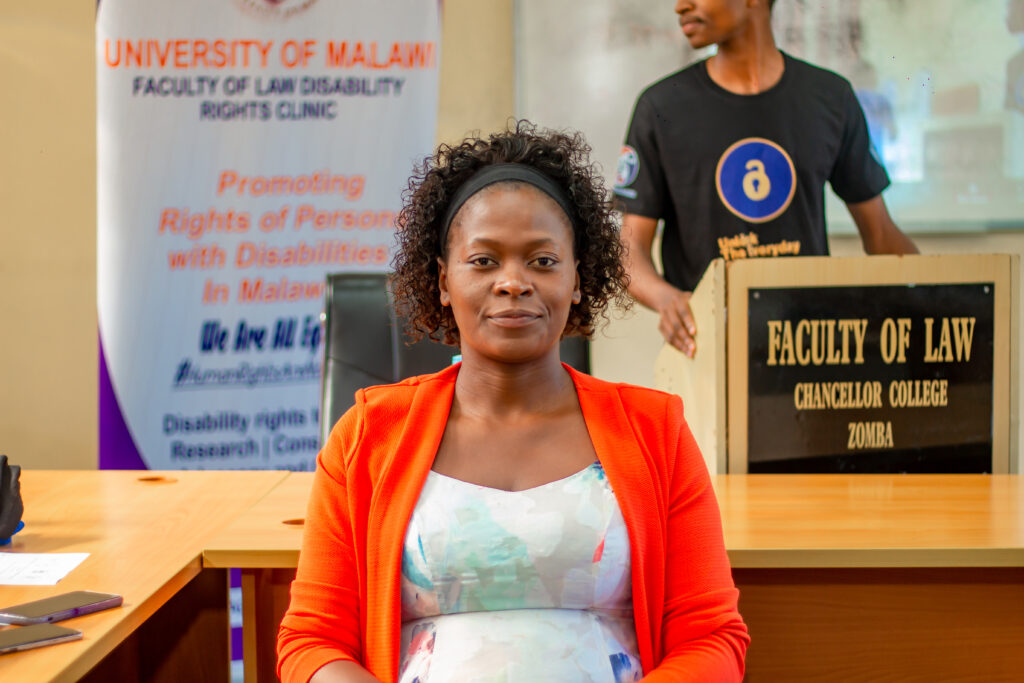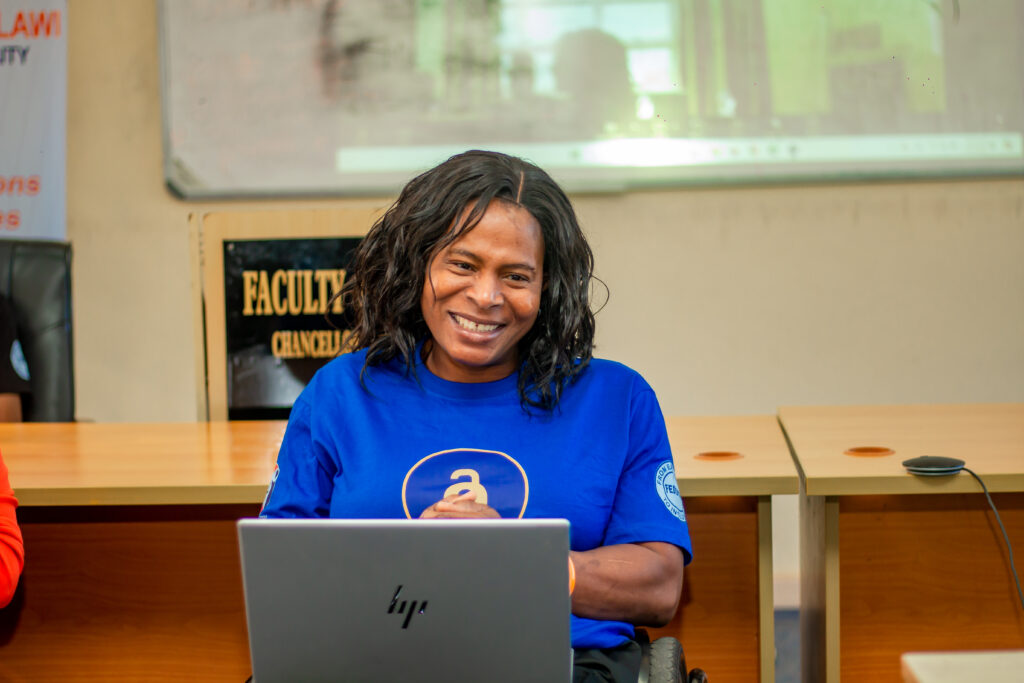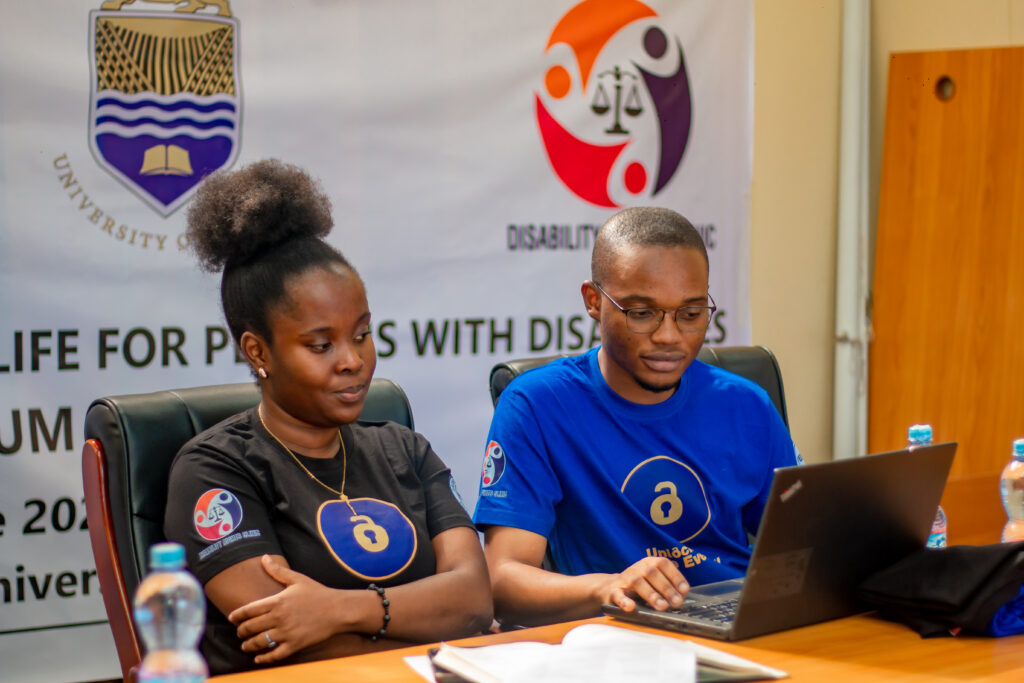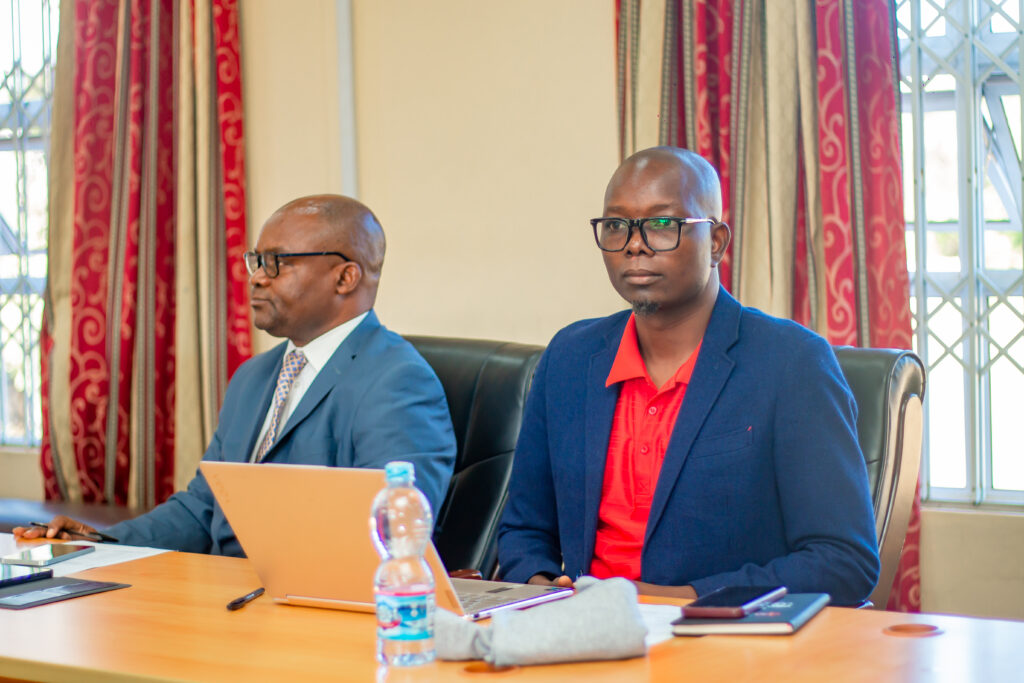
Zomba, Malawi — On 4 June 2026, the Federation of Disability Organisations in Malawi (FEDOMA) and the University of Malawi’s Disability Rights Clinic held a symposium to mark World Assistive Technology Day. SAFOD supported the event, which took place in the Law Boardroom under the theme “Assistive Technologies for a Dignified Life for Persons With Disabilities.”
The symposium drew a mix of government officials, advocates and persons with disabilities. Guests included Mr Ellias Hausi, Director General of MACODA, Ms Ethel Kachala from FEDOMA, Mrs Lydia Phiri, a Special Needs Head of Department, and a representative from the Malawi Communications Regulatory Authority (MACRA). Persons with disabilities took part directly in the discussions.
World Assistive Technology Day falls on 4 June each year. This year, FEDOMA and the Disability Rights Clinic used the day to raise awareness of the rights of persons with disabilities and to push for fewer barriers to participation in everyday life. The event also brought officials and decision-makers into direct conversation with disability advocates, with the aim of securing real commitments rather than general statements of support.
Coverage of the symposium reached far beyond the boardroom. The event was streamed live on Facebook. Radio stations covered it through news bulletins and a disability programme, while national television and two private broadcasters carried the story. Newspapers and online outlets also reported on the day.
A close look at the legal gaps
The University of Malawi’s Disability Rights Clinic prepared the symposium’s main presentation, titled “Legal and Policy Gaps Affecting Access to Assistive Technology.” The presentation looked at where Malawi stands today, and where international standards expect it to go.
It defined assistive technology in clear terms: any item or system that helps a person with a disability do something they could not otherwise do. It described these tools as a bridge that makes up for a lost or limited function, supporting independence, education, social inclusion and employment.
The presentation measured Malawi’s progress against three international frameworks: the United Nations Convention on the Rights of Persons with Disabilities, the African Disability Protocol and the World Health Organization’s Global Cooperation on Assistive Technology framework.
On the national picture, the presentation pointed to real progress. Malawi’s Persons with Disabilities Act and its National Disability Policy 2025 both name assistive technology as a priority area. The country has also removed import duties and domestic taxes on assistive technology products, a step the presentation praised directly.
But gaps remain. The presentation identified several weaknesses in the current system.
- Malawi’s law does not clearly guarantee a person’s right to choose their own device.
- No accessibility standards exist for public procurement of assistive technology.
- Assistive technology is not yet built into the primary healthcare system.
- The country has no measurable targets for putting its policies into practice.
To close these gaps, the presentation called for three changes. Malawi should recognise assistive technology as a legal right in clear terms. The government should set aside dedicated funding for it in the national budget. Tax incentives should support local manufacturing of assistive devices, building Malawi’s own supply rather than relying only on imports.
What the day achieved
Organisers measured the symposium’s success across three areas.
On knowledge, attendees left with a clearer sense of what assistive technology means, alongside a better grasp of Malawi’s duties under international law and its own national framework.
On skills, the clinicians from the Disability Rights Clinic practised active listening and direct engagement with guest speakers throughout the presentations and discussions.
On attitudes, the symposium gave stakeholders a new view of assistive technology. Many came away seeing it less as equipment and more as a basic part of realising human rights for persons with disabilities.
A smaller crowd, still a success
The symposium did not meet its original attendance target. The event fell during the holiday period, which meant fewer student participants than organisers had hoped for. Even so, students who had stayed on campus for deferred examinations attended in person, and others joined online.
FEDOMA and the Disability Rights Clinic counted the day as a success despite the lower turnout. The symposium opened a direct line between policy gaps and the people affected by them, and set out a clear path for Malawi to follow.
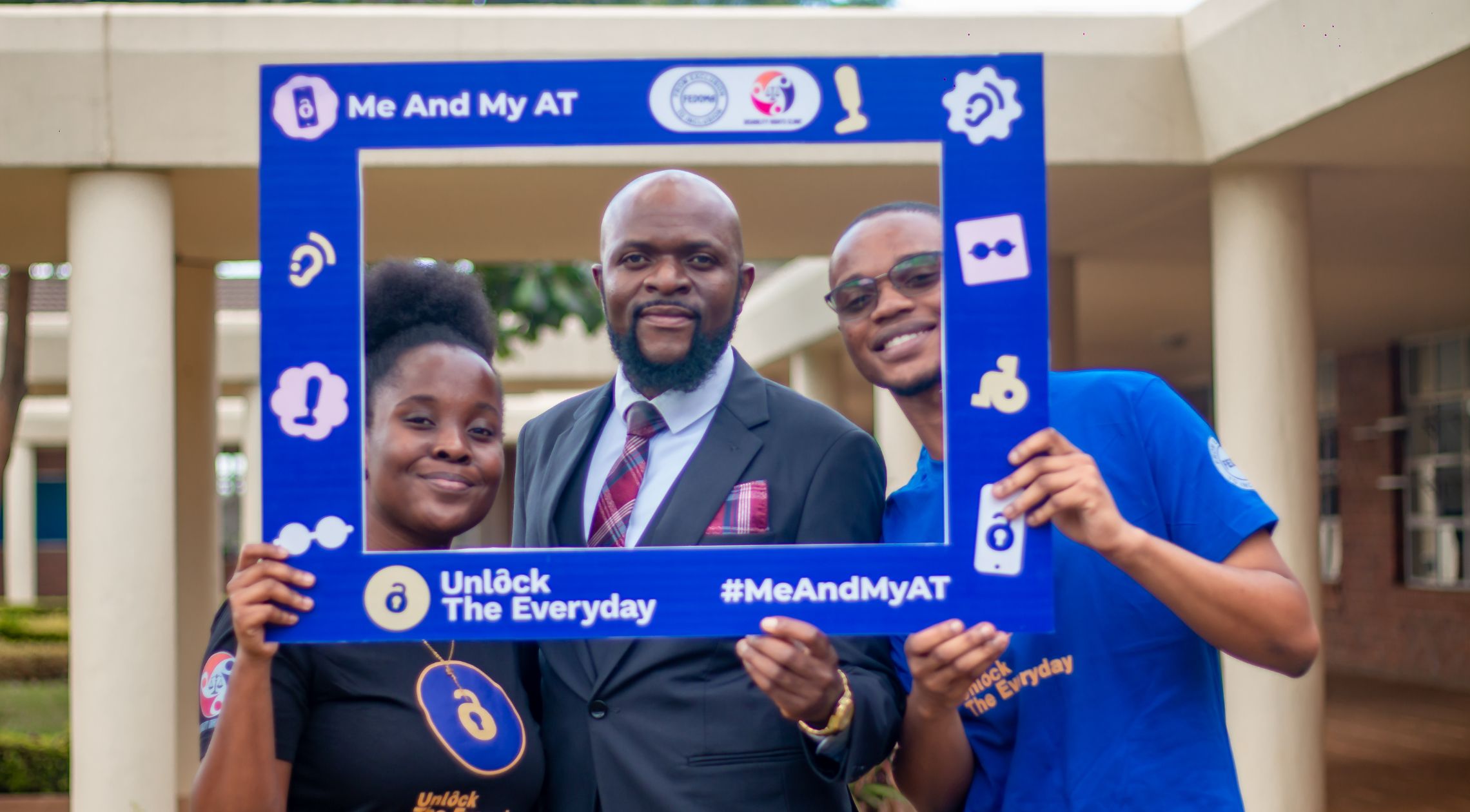
Follow the campaign on social media using #UnlockTheEveryday, #WorldATDay and #MeAndMyAT.