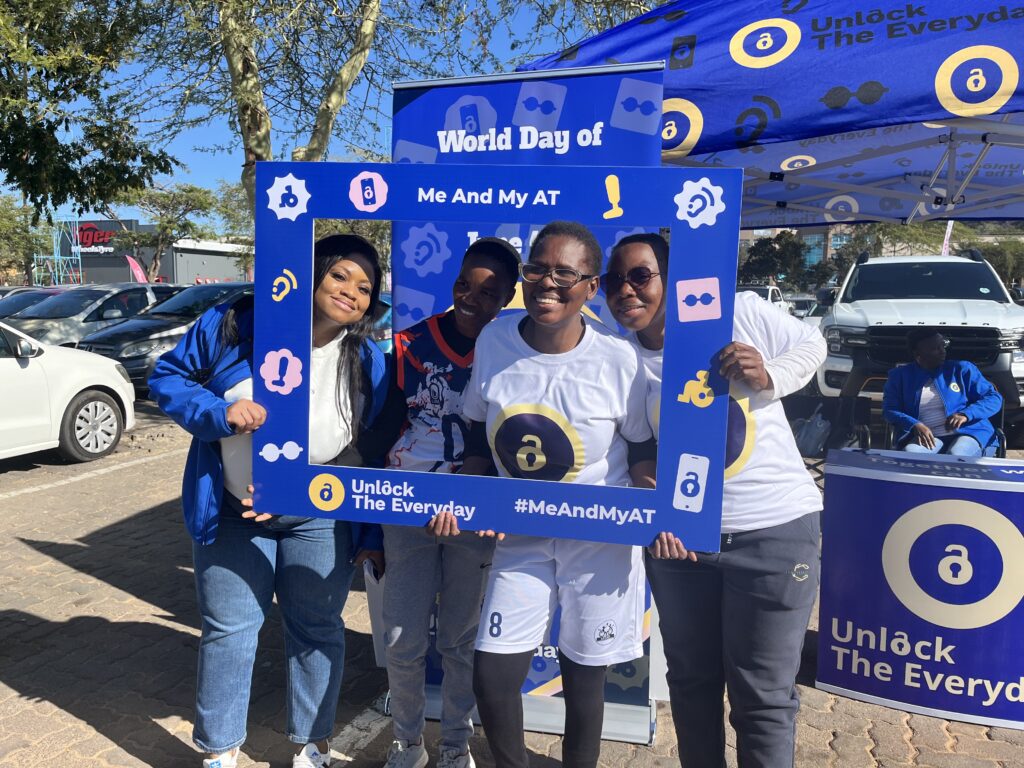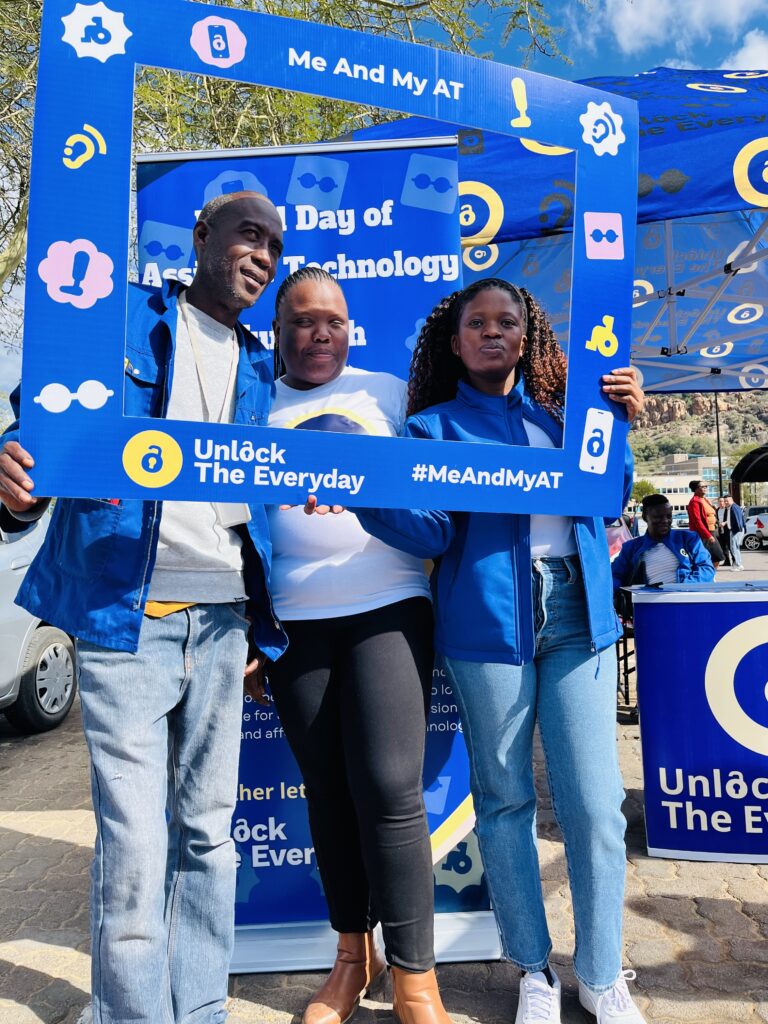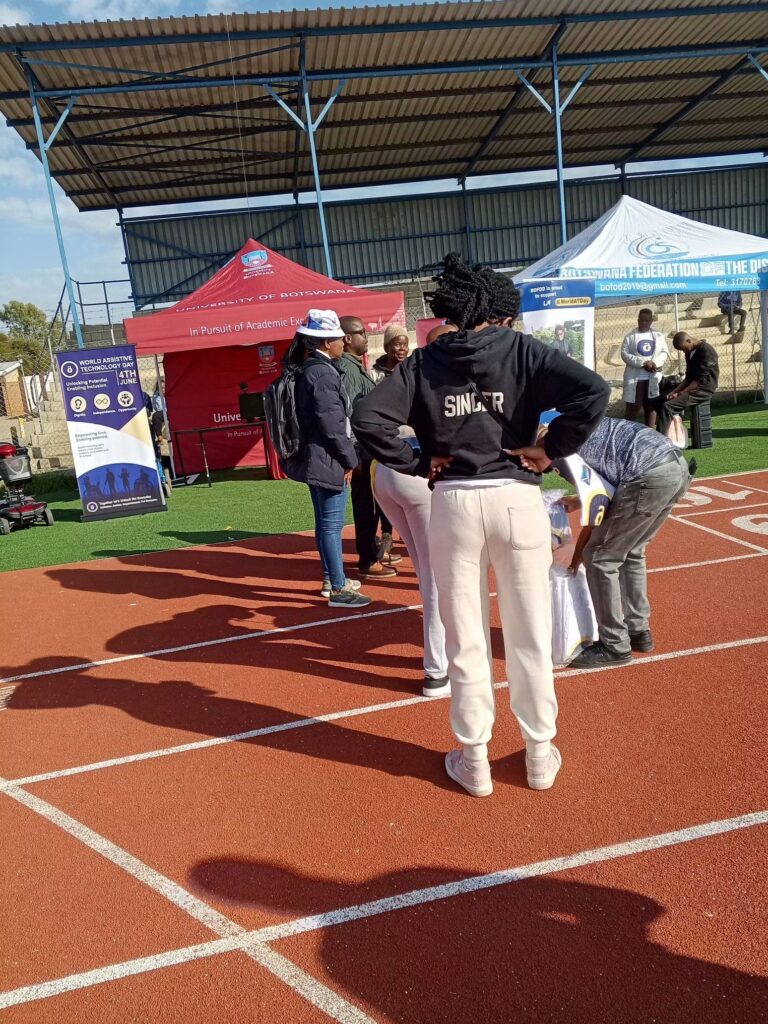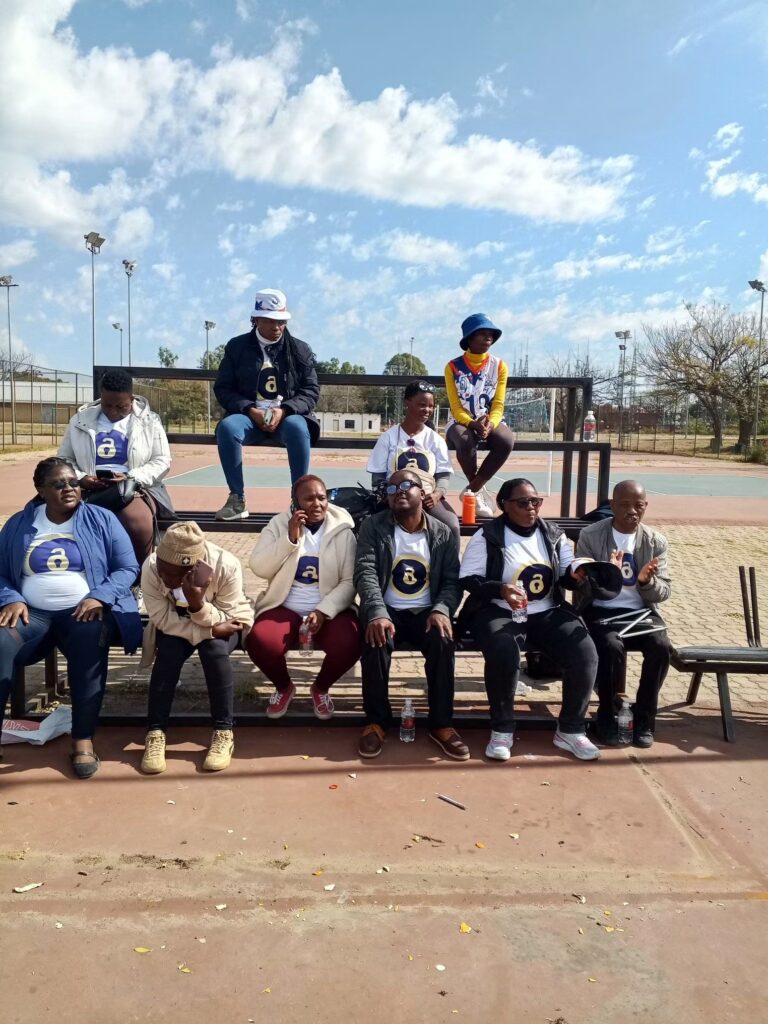
Gaborone, Botswana — On 4 June 2026, the University of Botswana Stadium and Game City Mall became the setting for Botswana’s commemoration of World Assistive Technology Day. The Botswana Federation of the Disabled (BOFOD) convened the day in partnership with the University of Botswana, under the theme Unlock the Everyday.
Persons with disabilities travelled from Gaborone, nearby districts and further afield to take part. The day carried a clear message. Inclusion is a matter of justice, not charity. Assistive technology supports dignity. It is not an extra.
A morning grounded in purpose
The day opened with prayer. Organisers from BOFOD and the University of Botswana arrived early to guide guests and help participants settle in. Before the formal programme began, the stadium filled with quiet moments of connection. Old friends met again. Students spoke with mentors. Families talked with service providers. Branded stalls lined the edge of the field, ready for the day ahead.
Dr Pansiri gave the welcome remarks. She thanked the partners who made the day possible, saying simply, “What can we do without partners.” She then shared her own story. Chronic back pain had threatened to end her doctoral studies. Support from the University of Botswana’s Disability Support Services helped her continue. She pointed to the strong academic results achieved by students with disabilities at the university as proof of what support and the right tools can do. She closed by widening the meaning of assistive technology. It covers devices and wheelchairs. It also covers dignity, freedom and opportunity.
Sport that showed skill, not limits
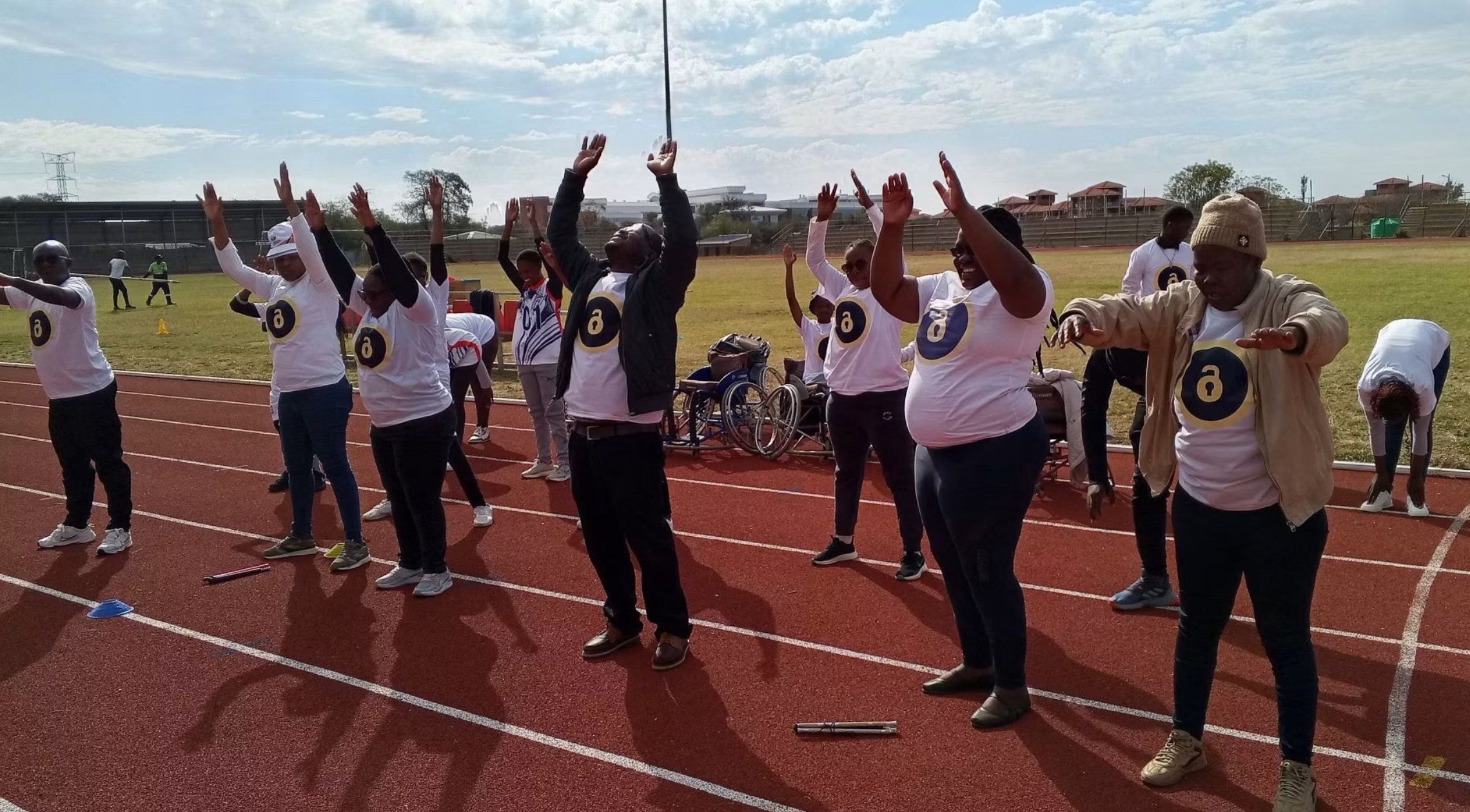
The stadium turned into what organisers called a living classroom. Participants wore matching “Unlock the Everyday” T-shirts, which helped build a shared sense of identity among the crowd.
A University of Botswana gym instructor led a ten-minute aerobics warm-up. Wheelchair users moved their upper bodies to the rhythm. Blind participants followed sound and touch. Everyone adapted the movements to suit themselves, showing that fitness belongs to everyone.
Track events followed, each one built around a different mix of skill and trust.
- Wheelchair races showed sharp turns, fast starts and controlled racing lines, drawing real respect from the crowd.
- Running events paired partially sighted athletes with guides, who called out pace and obstacles step by step.
- Relay races mixed wheelchair users, blind athletes, partially sighted runners and ambulant participants in the same teams. A dropped baton meant the whole team reset together. Spectators cheered loudest for the smoothest handovers, not just the fastest times.
- A walk-run event saw blind athletes use white canes and human guides, working through a steady rhythm of cane taps, footsteps and spoken directions.
- Sprints brought the most dramatic moment of the day, with a female sprinter finishing almost level with a male competitor in the final.
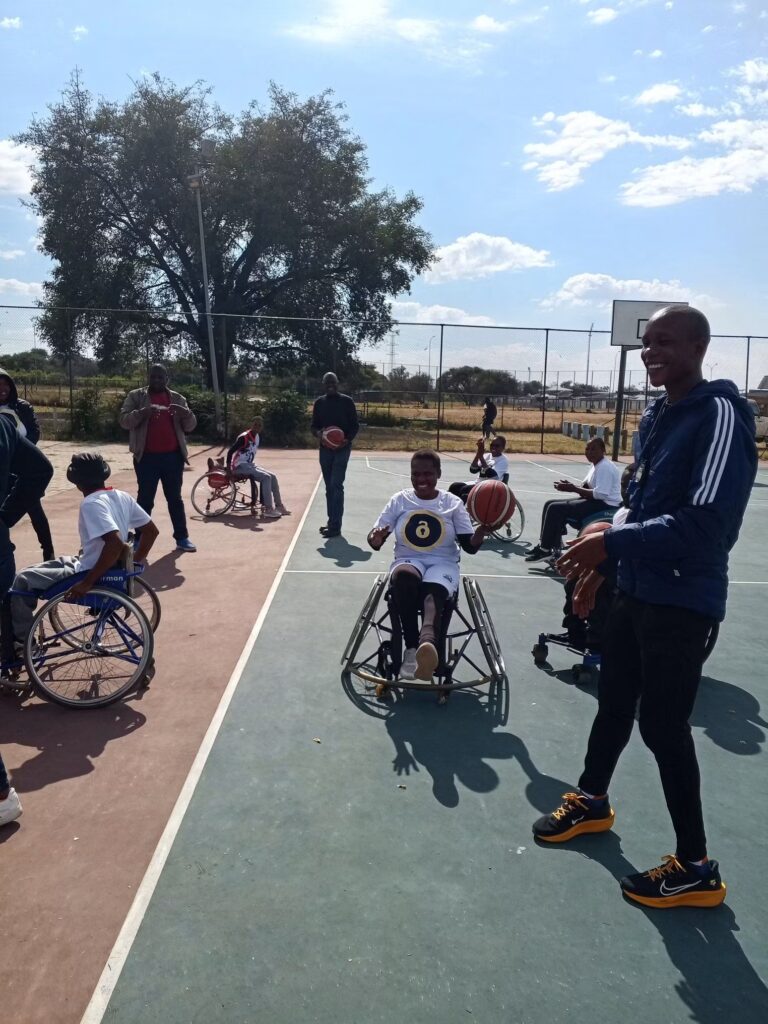
Wheelchair basketball and five-a-side football rounded out the sport sessions, giving more participants the chance to play as part of a team.
Touching the technology
An assistive technology exhibition let visitors move from watching to understanding. At the BOFOD stall, people felt Braille for the first time, tried manual wheelchairs and sat in motorised chairs to feel what mobility support is really like. University of Botswana staff demonstrated further devices and explained how they work.
Mr Hope Nkane, Director of Ceremony and President of the University of Botswana Disability Advocacy Association, addressed the crowd. He said the association exists to raise awareness and create space for self-advocacy and leadership among students with disabilities. His message was direct: ability defines people, not disability.
Taking the message to the mall
In the afternoon, the conversation moved beyond the stadium gates to Game City Mall. Stalls from the Southern Africa Federation of the Disabled (SAFOD), BOFOD, the Botswana Association of the Blind and Partially Sighted, and the Central Resource Centre’s Educational Technology Unit engaged shoppers directly.
Visitors could test white canes, try Braille devices, explore screen readers and handle tactile learning materials. Volunteers asked simple, open questions, such as what access would look like for each person they met. A security guard tried a white cane and spoke about the fear of moving without sight. A mother asked about seating support for her child with cerebral palsy. These small conversations carried the day’s message into daily life.
Voices from the day
Several participants shared their own reflections during the outreach and on the stadium grounds.
Dr Moswela spoke about assistive technology as part of building a barrier-free environment, linking it directly to human dignity. Mr Ramabokwa, speaking with his walking cane beside him, described how the right tools now let him do things independently, and thanked everyone who helped make the day happen.
Ms Tshegang, who lives with mobility and visual impairment, said assistive technology covers many different tools, from walking frames to spectacles, all supporting daily life. Ms Mekgwe, outgoing Vice President of the University of Botswana Disability Advocacy Association, spoke about using a scribe for her assessments and said assistive technology includes both tools and the people who provide support.
A call to keep going
BOFOD Chairperson Ms Boikhutso Majang closed the day with thanks and a clear challenge to everyone present. She asked participants to carry what they had learned home, to their families and communities, so the day’s lessons would not stay inside the stadium.
The commemoration brought sport, exhibition and public outreach together under one shared theme. It showed that closing the gap in access to assistive technology depends on partnership, conversation and everyday acts of inclusion, not just policy on paper.
Follow the campaign on social media using #UnlockTheEveryday, #WorldATDay and #MeAndMyAT.